Sugar may look simple — tiny white crystals in a bowl — but in food science, it is one of the most powerful and transformative ingredients in the kitchen. It does far more than make food sweet. Sugar builds structure, controls moisture, affects texture, fuels browning reactions, and creates hundreds of flavor compounds when exposed to heat.
(For a broader look at carbohydrate structure in food, see How Carbohydrates Actually Build the Food We Love)
From the crisp snap of a cookie to the deep, slightly bitter complexity of dark caramel, sugar’s behavior under heat is what creates culinary magic. To understand that transformation, we have to start at the molecular level.
The Building Blocks: Understanding Simple Sugars
At its core, sugar is a carbohydrate made primarily of carbon, hydrogen, and oxygen. Some carbohydrates, like starch, are long chains of sugar molecules linked together. Others are small, simple units that dissolve easily in water and taste immediately sweet. These are called simple sugars.
The three most important simple sugars in cooking are:
- Glucose – the most basic sugar molecule and the primary fuel source for your body’s cells. When we talk about “blood sugar,” we are referring to glucose.
- Fructose – commonly called fruit sugar, naturally found in fruits and honey. It is sweeter than glucose and browns at a lower temperature.
- Sucrose – table sugar. It is a “double sugar” made of one glucose molecule and one fructose molecule chemically bonded together.
When sucrose is heated or exposed to acid, it can split into glucose and fructose. This breakdown plays an important role in browning and caramel formation, a process explored in The Science of Sugar: From Glucose to Caramelization
Beyond sweetness, sugars perform several structural roles in cooking. They:
- Attract and hold onto water (they act as humectants)
- Keep baked goods moist
- Slow down gluten formation, creating tender textures
- Influence whether a product turns crisp or stays soft
Sugar is not just a flavoring agent — it is a texture engineer. You can see this in action when studying How Sugar Affects Baking Structure.
The Big Transformation: Caramelization
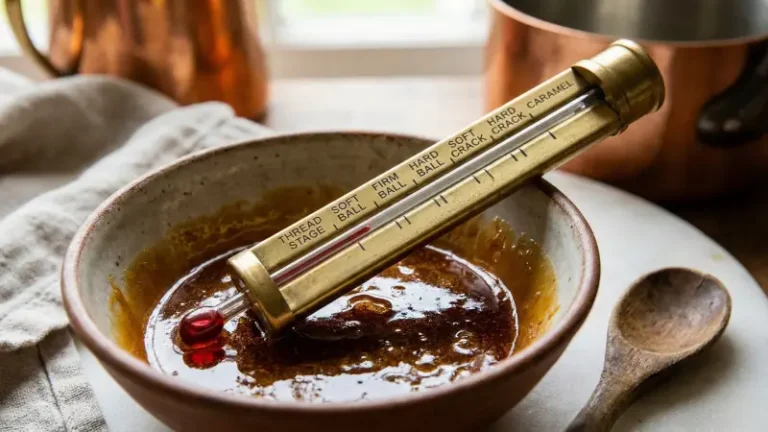
Caramelization is one of the most dramatic chemical reactions in cooking. It occurs when sugar is heated to high temperatures — typically above 160°C (320°F). Unlike many browning reactions, caramelization involves only sugar. No proteins are required.
As sugar heats, several stages unfold:
- Melting – Solid crystals turn into a clear liquid.
- Bond breaking – Heat causes molecular bonds to break apart. In sucrose, the glucose and fructose separate.
- Rearrangement – The fragments recombine into new molecules.
- Flavor development – Hundreds of new compounds form, creating brown color and complex flavors.
As caramelization progresses, flavor changes noticeably. It moves from simple sweetness to:
- Buttery notes
- Nutty undertones
- Toasted flavors
- Slight bitterness (if cooked longer)
The darker the caramel, the more complex and less sweet it becomes. Push it too far, however, and it burns.
Refer article: Caramel Sauce Temperature Guide
Different sugars caramelize at different temperatures. Fructose browns faster than sucrose, which is why foods sweetened with honey can burn more quickly. Understanding this helps control browning in sauces, glazes, and baked goods.
Sugar’s Browning Partner: The Maillard Reaction
Caramelization is often confused with the Maillard reaction, but they are not the same thing.
- Caramelization = sugar reacting to heat alone.
- Maillard reaction = sugar reacting with amino acids (proteins) under heat.
The Maillard reaction is responsible for many savory and roasted flavors. It creates:
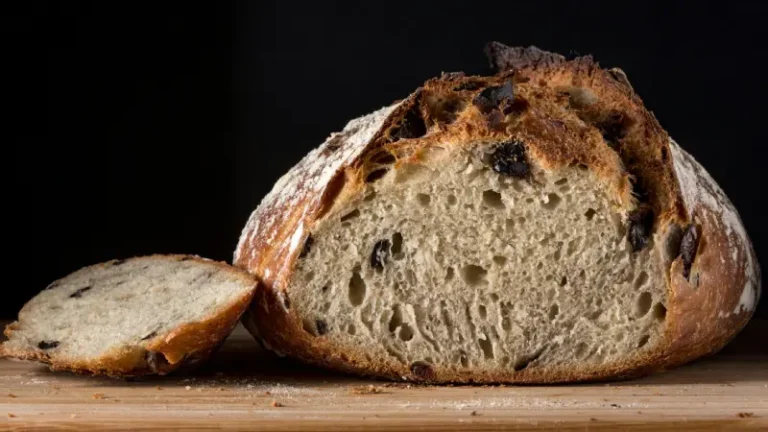
- The crust on baked bread
- The deep flavor of roasted coffee
- The browned surface of seared meat
- The toasty aroma of roasted nuts
For a detailed breakdown of these differences, see Caramelization vs Maillard Reaction.
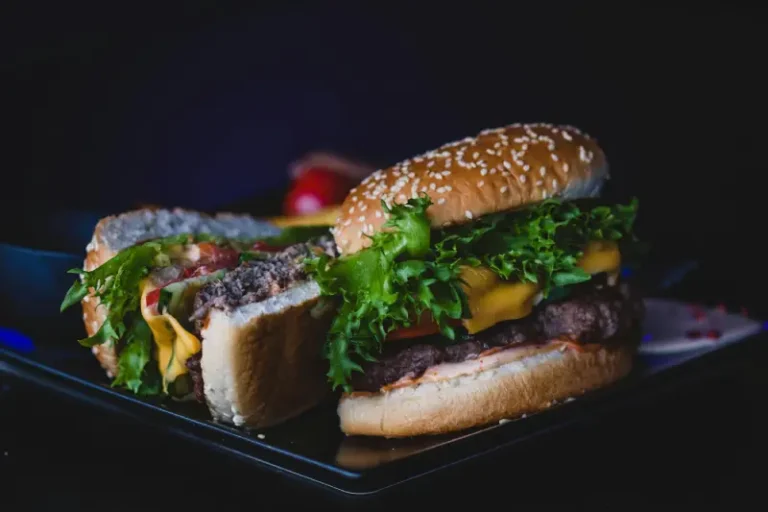
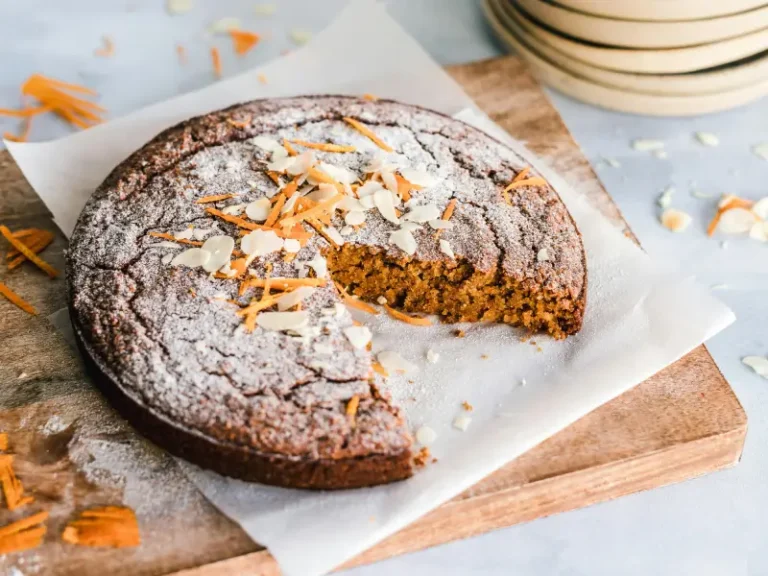
In baking, both reactions often occur together. For example, in cookies, sugar caramelizes while proteins from flour and eggs participate in Maillard reactions. The result is layered flavor, appealing browning, and complexity.
Together, these reactions transform raw ingredients into deeply flavored cooked foods.
Sugar in the Pantry: Why Type Matters
Different sugars behave differently because of their chemical makeup and moisture content. Choosing the right sugar affects texture, spread, browning speed, and moisture retention.
- White sugar (sucrose) produces clean sweetness and crisp textures. It contains very little moisture, which helps create crunchy cookies and stable candy structures.
- Brown sugar is white sugar with molasses added back in. Molasses adds moisture and acidity, leading to softer, chewier baked goods.
- Honey is high in fructose and naturally contains water. It attracts moisture strongly, helping prevent baked goods from drying out, but it browns more quickly.
You can compare these further in Natural Sweeteners Compared.
Because of these differences, swapping one sugar for another can significantly change the final product.
Sugar and the Body: The Glycemic Response
Inside the body, simple sugars are digested quickly. Once consumed, they are absorbed into the bloodstream and raise blood glucose levels.
The Glycemic Index (GI) measures how quickly carbohydrate-containing foods raise blood sugar. Foods high in simple sugars typically have:
- Faster digestion
- Rapid blood sugar spikes
- Quick energy release
This “fast fuel” can be useful in certain situations, but when consumed alone in large amounts, it may lead to a sharp drop in energy afterward — commonly known as a sugar crash.
Pairing sugar with fiber, protein, or fat slows digestion and creates a steadier release of energy.
Sugar as Controlled Chemistry
Sugar is far more than sweetness. It is:
- A structural builder
- A moisture regulator
- A browning catalyst
- A flavor architect
With heat, it transforms from simple crystals into a complex mixture of aromatic compounds that define some of our favorite foods. Whether you are making caramel sauce, baking cookies, roasting vegetables, or searing meat, you are witnessing chemistry in motion.
Mastering sugar is not just about sweetness. It is about understanding how molecules respond to heat — and using that knowledge to create texture, color, aroma, and depth of flavor with precision.