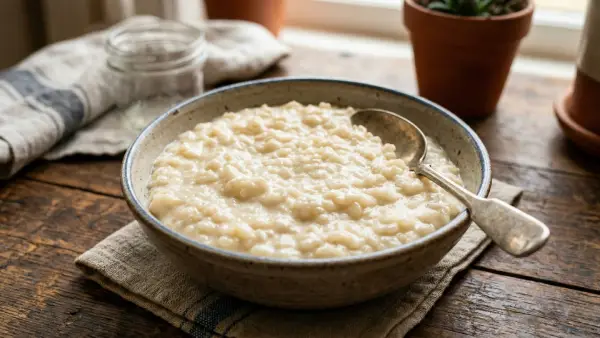
We’ve all experienced the “leftover letdown”: you place a container of perfectly fluffy rice or supple pasta into the refrigerator, and the next day it has transformed into a hard, crumbly, and unappetizing “brick.” Most people assume the food has simply dried out, but the truth is a fascinating piece of carbohydrate chemistry called retrogradation.
While refrigeration is vital for food safety, it is arguably the worst thing you can do for the texture of starch-heavy foods. Here is the science behind why the cold changes your favorite carbs and how you can fix it.
The Starting Point: The “Starch Burst”
To understand the change, we have to look at how the food was cooked. In our guide to Starch Gelatinization, we explore how starch granules absorb water and burst when heated. This creates a disorganized, gel-like state that makes fresh rice soft and pasta flexible. This “gel” is exactly what we find delicious in a fresh meal.
Why the Fridge is the Enemy
As soon as starch-heavy food begins to cool, the starch molecules—amylose and amylopectin—begin to seek stability.
The Temperature Trap
The refrigerator is particularly damaging because retrogradation (the process where starch molecules zip themselves back together into a rigid structure) happens most rapidly at temperatures just above freezing.
- Recrystallization: In the cold environment of the fridge, the disorganized starch chains move closer together and form a tight, crystalline pattern.
- Water Displacement: As these crystals form, they squeeze out the water that was previously trapped between the starch strands. This is why cold rice feels dry and “gritty” on the tongue.
Real-Life Application: Bread, Rice, and Pasta
Different carbohydrates react to the cold in unique ways, but the underlying science remains the same.
- Bread: Storing bread in the fridge is a common mistake. Because of the rapid retrogradation at cold temperatures, bread will actually go stale significantly faster in the refrigerator than it will on the counter. For more on this, see Retrogradation: Why Bread Goes Stale.
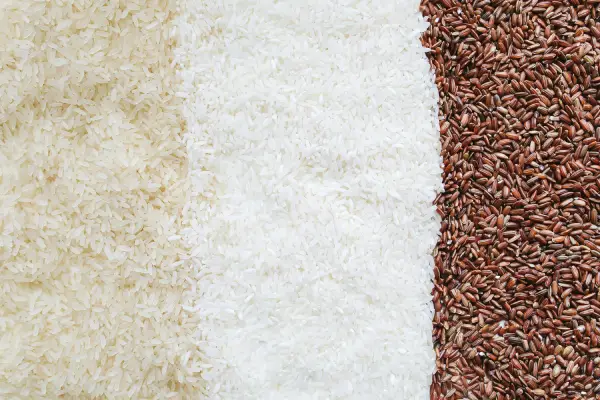
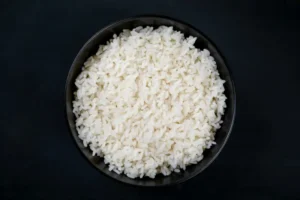
- Rice: Short-grain rice, which is high in amylopectin, can become particularly gummy if over-stirred, but it also becomes remarkably hard once chilled. This is why sushi rice is kept at room temperature (or specifically seasoned with vinegar to slow this process down).
- Pasta: Leftover pasta tightens up and loses its elasticity as the starch structure firms up in the cold.
Effects of Reheating
The good news is that retrogradation is partially reversible. By applying heat, you can “melt” those starch crystals back into a soft gel state.
- The Steam Method: For rice or pasta, adding a splash of water and covering the dish while reheating creates steam. This steam helps the starch molecules re-absorb moisture as they break apart from their crystalline structure.
- The Toasting Method: As explored in Bread Structure Explained, high heat (like toasting) provides enough energy to disrupt the starch crystals, temporarily restoring softness to the crumb.
The Silver Lining: Resistant Starch
While the texture change might be a culinary downside, it offers a major nutritional upside. When starch cools and retrogrades, some of it becomes Resistant Starch. This type of starch resists digestion in the small intestine, acting more like fiber and feeding the “good” bacteria in your gut. Cold (and even reheated) rice and potatoes often have a lower Glycemic Index than when they were first cooked.
The refrigerator is a time machine for starch, but it only moves in one direction: toward “stale”. By understanding that cold temperatures accelerate the recrystallization of starch, you can better manage your leftovers—and know that a little steam and heat are all you need to bring your carbs back to life.
Related article: How Carbohydrates Actually Build the Food We Love