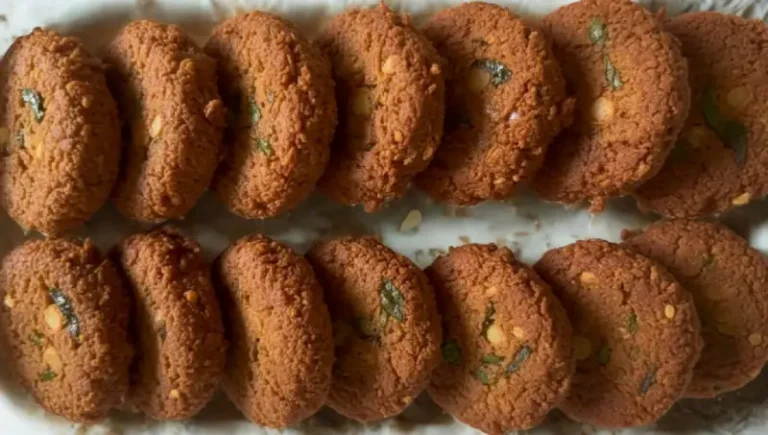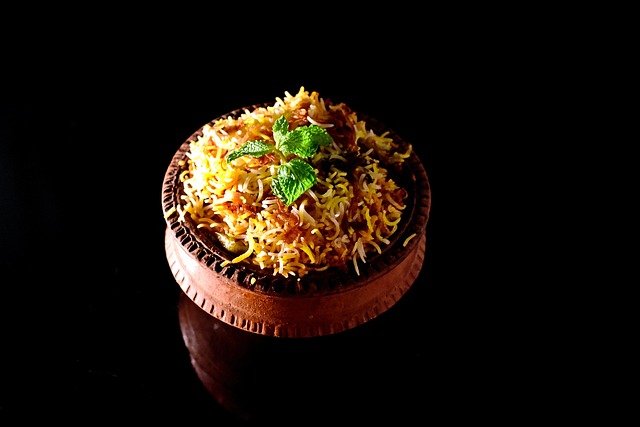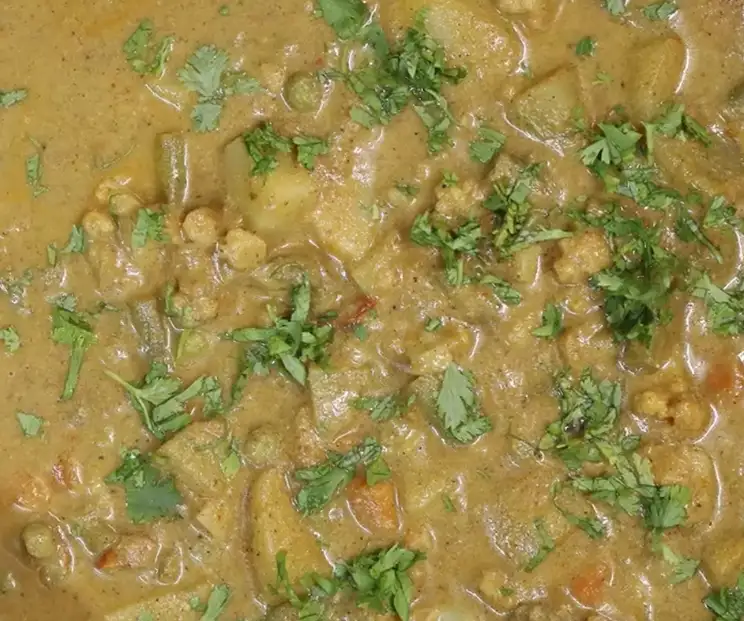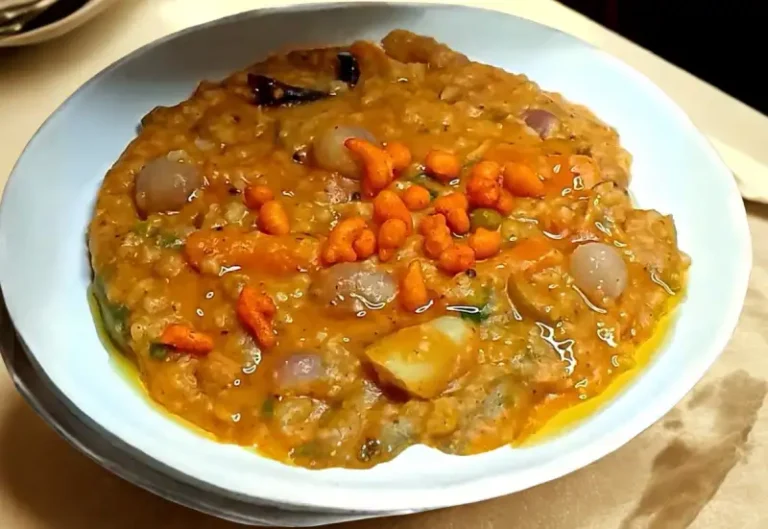
Chettinad Kara Paniyaram (also known as Kuzhi Paniyaram) is a quintessential South Indian delicacy that perfectly balances a crispy golden exterior with a soft, spongy heart. Originating from the Chettinad region of Tamil Nadu, these savory dumplings are not only a popular breakfast item but also a beloved evening snack. The secret to a perfect Paniyaram lies in the precise fermentation of the batter and the aromatic tempering that infuses every bite with flavor.
Ingredients and Measurements
To achieve the authentic texture and taste, the following measurements are essential:
For the Batter:
- Raw Rice: 1 cup (250 ml measurement), soaked for 3 hours.
- Urad Dal (Split Black Gram): 1/4 cup, soaked for 3 hours.
- Fenugreek Seeds (Methi): 1/2 tsp (soaked along with the Urad Dal).
- Salt: 1/2 tsp (added during grinding).
- Water: Added gradually to achieve a smooth, pouring consistency.
For the Tempering (Seasoning):
- Oil: 2 tsp.
- Urad Dal: 1 tsp.
- Chana Dal: 1 1/2 tsp.
- Mustard Seeds: 1 tsp.
- Cumin Seeds: 1 tsp.
- Asafoetida (Hing): 1/2 tsp.
- Ginger: 1 small piece, finely chopped.
- Green Chilies: 2, finely chopped.
- Onion: 1 medium-sized, finely chopped.
- Curry Leaves: A few.
- Freshly Grated Coconut: 2 tbsp.
- Coriander Leaves: A handful, finely chopped.
- Salt: 1/2 tsp (for the sautéed mixture).
The Culinary Process
1. Preparing the Batter
The foundation of the Paniyaram is the batter. After soaking the rice and lentils, the rice is ground first until it reaches a slightly coarse texture. The soaked Urad Dal and fenugreek seeds are then added and ground together with a little salt. It is crucial to add water sparingly to maintain a thick yet smooth consistency—if the batter is too runny, the Paniyarams will not puff up correctly. Once ground, the batter must be left to ferment for at least 8 hours or overnight.
2. Infusing Flavor (The Tempering)
The “Kara” (spicy/savory) element comes from a rich tempering. Oil is heated in a pan to roast the lentils, mustard seeds, and cumin until they splatter. Aromatics like ginger, green chilies, and onions are sautéed until translucent. The addition of freshly grated coconut at the very end adds a subtle sweetness and texture that is characteristic of Chettinad cuisine. This mixture is then folded into the fermented batter.
3. Cooking to Perfection
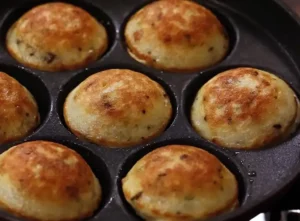
Cooking requires a special “Paniyaram Skillet” or Appakarai, which has hemispherical molds. A small drop of oil (preferably gingerly oil for its distinct nutty aroma) is placed in each mold. The batter is poured into the molds, filling them only about 3/4 full to allow room for the Paniyarams to rise and puff up.
They are cooked over a medium flame to ensure the insides are thoroughly done without burning the outside. Using a skewer or fork, the Paniyarams are gently flipped once the bottom turns a rich golden brown.
Conclusion
A well-made Chettinad Kara Paniyaram is a masterclass in texture. When served hot, it offers a delightful crunch followed by a cloud-like interior filled with the crunch of lentils and the zest of ginger and chilies. Best enjoyed with spicy tomato chutney, coconut chutney, or a traditional Sambar, this recipe is a timeless tribute to South Indian culinary heritage.