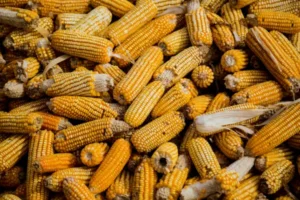
In Mexico, corn (maize) is not simply a crop—it is a civilization. Long before modern industrial food production, Indigenous communities built complex food systems around maize, developing techniques that were nutritionally advanced, ecologically integrated, and culturally sacred.
To understand Mexico’s cuisine, history, and identity, you must understand the biological and chemical transformation of this single grain.
The Origin of Maize: From Wild Grass to Cultural Foundation
Corn was domesticated from a wild grass called teosinte approximately 9,000 years ago in the Balsas River valley of southern Mexico. Through careful, non-linear seed selection, Indigenous farmers transformed small, single-rowed, rock-hard kernels into the diverse and productive maize varieties we recognize today.
This transformation required deep generational knowledge of:
- Selective Breeding: Farmers identified and replanted seeds from plants with desirable traits, such as larger ears, softer husks, or drought resistance.
- Soil Cycles: Managing nitrogen-heavy crops in diverse terrains, from tropical lowlands to high-altitude volcanic soils.
- Seed Preservation: Developing methods to keep seeds viable and protected from humidity and pests over long winters or dry seasons.
Maize became central to civilizations like the Maya and Mexica (Aztec), shaping calendars (the 260-day ritual cycle often mirrored the corn growth cycle), rituals, and trade. In many Indigenous cosmologies, humans are said to be made from corn dough—a literal reflection of its role as the foundation of life.
The Milpa System: Agriculture as Ecology
Indigenous corn cultivation traditionally relies on the milpa—a polyculture farming method where maize is grown alongside beans, squash, chilies, and other crops.
This system is a model of ecological intelligence:
- Corn provides a sturdy vertical structure for climbing beans.
- Beans are nitrogen-fixers; they host Rhizobium bacteria on their roots that convert atmospheric nitrogen into a form the soil can use, “feeding” the nitrogen-hungry corn.
- Squash spreads across the ground, its broad leaves acting as a “living mulch” to suppress weeds, preserve soil moisture, and deter pests with its prickly stems.
This biodiversity strengthens resilience, reduces dependence on a single crop, and improves soil health without synthetic fertilizers. The milpa is a living food system rooted in sustainability long before the concept became modern vocabulary.
Nixtamalization: Nutritional Science Before Modern Science
One of the most sophisticated contributions of Indigenous Mexican food systems is nixtamalization—the process of soaking and cooking dried corn in an alkaline solution, traditionally made from lime (calcium hydroxide) or wood ash.
Chemically, this alkaline treatment transforms the grain:
- Nutrition: It releases “bound” niacin (vitamin B3), which is otherwise chemically unavailable to the human body. This prevents pellagra, a devastating deficiency disease. It also increases calcium content (absorbed from the lime) and improves the balance of essential amino acids.
- Texture: The alkaline solution breaks down the hemicellulose (the “glue” in the cell walls) in the kernel’s outer layer (pericarp), making it easier to remove and allowing the remaining grain to be ground into a pliable dough called masa.
Without this technique—the biochemical backbone of Mexican cuisine—corn-based diets can lack essential nutrients. After soaking and rinsing, the treated corn (nixtamal) is ground to create tortillas, tamales, sopes, and atoles.
Diversity of Maize: Color, Texture, and Function
Mexico is home to nearly 60 distinct native maize landraces, each adapted to specific microclimates and culinary uses. Different varieties offer distinct starch compositions and colors:
- Blue and Purple Corn: These contain high levels of anthocyanins, the same antioxidants found in blueberries, adding anti-inflammatory properties to the diet.
- White Corn: The most common variety for tortillas due to its balanced ratio of hard (vitreous) and soft starch.
- Yellow Corn: High in carotenoids, which are precursors to Vitamin A.
- Floury vs. Flint: Floury varieties (like Cacahuazintle) are soft and ideal for Pozole because the kernels “bloom” when boiled; flint varieties are harder and used for long-term storage or specialized milling.
The ratio of amylose to amylopectin affects how the masa behaves. Higher amylopectin contributes to the softness and “roll-ability” required for a perfect tortilla that doesn’t crack.
Related article: Thickening Agents Compared (Cornstarch, Tapioca, Arrowroot)
Corn as Community, Ceremony, and Sovereignty
Corn is deeply embedded in Indigenous ritual life. Planting and harvest cycles are accompanied by ceremonies that honor the earth, and seed selection is a communal responsibility. Women traditionally play central roles in preserving knowledge and preparing maize, such as the daily ritual of pressing masa and cooking on a hot comal.
While colonial disruption favored wheat and modern industrialization introduced hybrid varieties, corn remains a symbol of food sovereignty. Indigenous cooperatives work to protect native landraces from “genetic erosion” (cross-contamination from GMO crops) and industrial monocultures. In Mexico, the phrase “Sin maíz, no hay país” (Without corn, there is no country) summarizes this sentiment.
Global Context and the Future of Food
Corn spread globally after the Columbian Exchange, becoming one of the most widely grown crops in the world. However, many regions (such as the American South and parts of Europe in the 18th century) adopted corn without adopting nixtamalization, leading to widespread outbreaks of pellagra.
Today, as global agriculture faces climate change and soil degradation, Indigenous maize systems offer valuable lessons. Polyculture (like the milpa) increases resilience against extreme weather, and local processing methods enhance nutrition without industrial fortification. Revitalizing these systems is about sustainable innovation rooted in tradition.
Conclusion
Corn in Mexico is more than a carbohydrate; it is ecology, nutrition, and spirituality woven together. Indigenous communities transformed a wild grass into a civilizational pillar through the milpa system and nixtamalization. To eat a tortilla is to participate in thousands of years of agricultural science and cultural continuity.
Related article: How Carbohydrates Actually Build the Food We Love