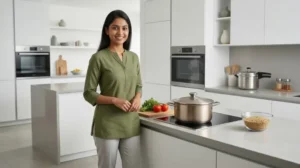
With rising global tensions and supply disruptions, energy prices often become unstable. Household Liquefied Petroleum Gas (LPG) is one of the most sensitive fuels to geopolitical shifts because it relies heavily on international production and transport.
When supply chains tighten due to wars or economic sanctions, LPG prices can increase rapidly. This directly affects households, restaurants, and food businesses that depend on gas stoves for daily cooking.
Fortunately, efficient kitchen practices can dramatically reduce gas consumption. With thoughtful cooking habits, a single LPG cylinder can last much longer without sacrificing the taste or quality of meals.
Below are some practical cooking strategies that help households reduce LPG consumption and cook more efficiently.
You might also like to read: How Carbohydrates Actually Build the Food We Love
1. Use Pressure Cookers Whenever Possible
Pressure cookers are one of the most effective tools for reducing LPG usage in the kitchen. They work by trapping steam inside a sealed vessel, which increases internal pressure and raises the boiling point of water. As a result, food cooks at a higher temperature and significantly faster than traditional open-pot cooking.
This method is especially useful for foods that typically require long cooking times, such as lentils, beans, chickpeas, potatoes, and meat. Instead of simmering for 30–40 minutes on an open flame, these ingredients can often cook in a pressure cooker within 10–15 minutes.
Another advantage is the ability to cook multiple foods at the same time. Using stackable containers or separators, you can cook rice, dal, and vegetables simultaneously inside a single pressure cooker. This reduces the number of burners used and cuts down total cooking time.
For households that prepare traditional dishes daily, incorporating a pressure cooker into regular cooking routines can significantly extend the life of an LPG cylinder.
2. Always Cook with a Lid
One of the simplest yet most overlooked ways to save LPG is cooking with a lid on the pot or pan. When food cooks uncovered, a large amount of heat escapes into the surrounding air. This forces the burner to stay on longer to maintain the required cooking temperature.
By covering the vessel with a lid, heat and steam are trapped inside the pot. This creates a warmer cooking environment that allows food to cook faster and more evenly.
For dishes like curries, vegetables, soups, and stews, keeping the lid closed during most of the cooking process can noticeably reduce cooking time. It also helps retain moisture and natural flavors in the food.
This small habit may seem insignificant, but over weeks and months it can lead to substantial savings in LPG consumption.
3. Soak Grains and Lentils Before Cooking
Many staple foods in Asian and Indian cooking, such as rice, lentils, chickpeas, and beans, naturally take a long time to cook. However, soaking these ingredients before cooking softens their structure and dramatically reduces the time they need on the stove.
When grains or legumes are soaked in water, they absorb moisture and begin the process of softening. This makes them easier to cook because the heat does not need to penetrate a hard, dry structure.
For example:
- Rice soaked for 20–30 minutes cooks faster and more evenly.
- Lentils soaked for 30 minutes reduce boiling time.
- Chickpeas or kidney beans soaked overnight cook much quicker the next day.
By reducing cooking time, soaking ingredients directly reduces LPG consumption. It also improves digestion and enhances the texture of many dishes.
4. Match the Burner Size with the Vessel
Using the correct burner size for your cooking vessel is an important but often ignored factor in energy efficiency. If a small pot is placed on a large burner, much of the heat spreads around the sides of the vessel instead of heating the food directly.
This wasted heat represents wasted gas.
Similarly, using a small burner for a large pot may result in uneven heating and longer cooking times.
The ideal approach is to match the diameter of the flame with the bottom of the vessel. When the flame remains directly under the base of the pot without extending beyond the sides, most of the heat energy is efficiently transferred into the food.
This small adjustment can make everyday cooking noticeably more efficient.
5. Use Low to Medium Flame
Many people believe that cooking on a high flame will speed up the process. While high heat may initially bring water to a boil quickly, maintaining a high flame throughout the cooking process usually wastes LPG.
Once food reaches the desired cooking temperature—such as boiling or simmering—lowering the flame is usually enough to continue cooking effectively.
Using low to medium heat offers several advantages:
- It prevents food from burning or sticking to the pan.
- It allows flavors to develop more gradually.
- It reduces unnecessary gas consumption.
Slow and controlled cooking is often both more economical and better for the final taste of many dishes.
6. Prepare Ingredients Before Turning on the Stove
One common reason for unnecessary LPG usage is poor kitchen preparation. Many people light the stove and then begin chopping vegetables, measuring spices, or searching for utensils.
During this time, the flame continues to burn even though no cooking is taking place.
A better approach is to complete all preparation steps before turning on the burner. This includes washing and chopping vegetables, measuring ingredients, arranging spices, and preparing cookware.
Once everything is ready, the stove can be ignited and cooking can proceed without interruptions. This approach minimizes idle flame time and helps conserve LPG.
7. Cook Multiple Meals Together
Cooking several dishes at different times throughout the day can consume more gas than preparing them together. Batch cooking is a practical strategy for reducing fuel consumption.
For example, if you already have the stove on to prepare lunch, it may be efficient to cook additional food for dinner or the next day. Rice, curries, and vegetables can often be reheated easily later.
Cooking larger quantities in one session reduces the number of times the stove must be turned on and off. This lowers overall LPG usage while also saving time in the kitchen.
Many families adopt this method during busy weekdays to simplify meal preparation.
8. Keep Burners Clean
A clean gas burner is essential for efficient cooking. Over time, food particles, grease, and dust can clog the small holes in the burner head. When this happens, gas flow becomes uneven and the flame may turn yellow instead of blue.
A proper gas flame should be blue and steady. A yellow flame indicates incomplete combustion, which wastes fuel and reduces heating efficiency.
Regularly cleaning the burner ensures that gas flows evenly and burns properly. This improves cooking performance and reduces LPG consumption.
A quick cleaning every few weeks can make a noticeable difference in stove efficiency.
9. Use Dry Utensils and Room-Temperature Ingredients
Cooking with wet utensils or very cold ingredients can slightly increase the amount of energy required to prepare food.
For instance, water droplets on a pan must evaporate before the cooking process begins. Similarly, ingredients taken directly from the refrigerator require additional heat to reach cooking temperature.
Allowing refrigerated ingredients to sit at room temperature for a short period before cooking can help reduce this energy demand. Using dry utensils also ensures that the heat is directed toward cooking the food rather than evaporating excess moisture.
While these factors may seem small individually, they contribute to overall fuel efficiency.
10. Turn Off Gas Immediately After Cooking
Safety and efficiency go hand in hand when it comes to LPG usage. After cooking, it is important to turn off both the stove knob and the cylinder regulator.
Leaving the regulator open may increase the risk of unnoticed gas leakage. Even a small leak over time can gradually reduce the amount of gas in the cylinder.
Developing the habit of turning off the gas supply after cooking not only extends the life of the cylinder but also improves kitchen safety.
Consider Alternative Cooking Methods
In situations where LPG prices rise significantly or supply becomes uncertain, many households begin exploring alternative cooking technologies.
Electric appliances such as induction cooktops, electric kettles, and microwave ovens can be used for certain cooking tasks. For example, boiling water, reheating food, or preparing simple dishes may require less energy when done with an electric appliance.
Using these alternatives occasionally reduces dependence on LPG and helps extend the life of the gas cylinder.
While LPG remains the primary cooking fuel in many homes, combining it with other cooking methods can create a more flexible and energy-efficient kitchen.
Conclusion
In times of global uncertainty, energy resources like LPG can become more expensive or difficult to obtain. However, small changes in cooking habits can significantly reduce gas consumption without affecting the quality of meals.
Using pressure cookers, cooking with lids, soaking ingredients, maintaining clean burners, and practicing efficient kitchen preparation are simple yet powerful strategies.
When practiced consistently, these habits help households save money, reduce fuel waste, and make cooking more sustainable.
Smart cooking is not only about preparing delicious meals—it is also about using energy wisely in an increasingly unpredictable world.
More articles:
- Easy Vegetable Biryani Recipe – Restaurant Style Veg Dum Biryani
- Authentic Apfelstrudel Recipe – Classic German Apple Strudel from Scratch
- Traditional Spanish Croquetas de Pollo – Creamy Chicken Fritters Recipe
- Sugar Varieties Around the World: A Global Guide to Types, Flavors, and Uses
- Why Does Sugar Turn from White Crystals into Golden Caramel?