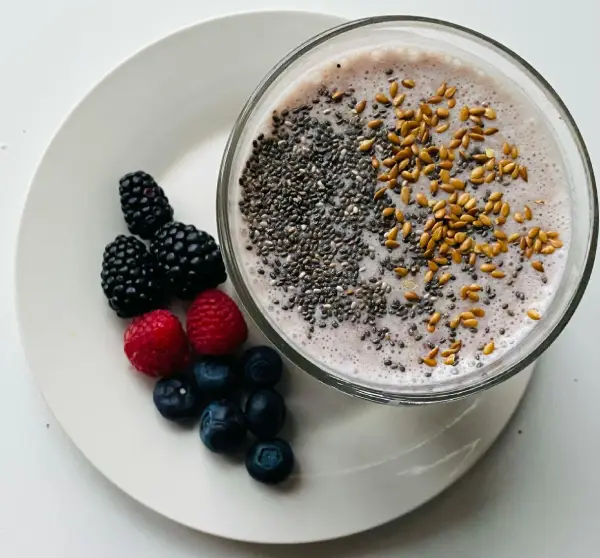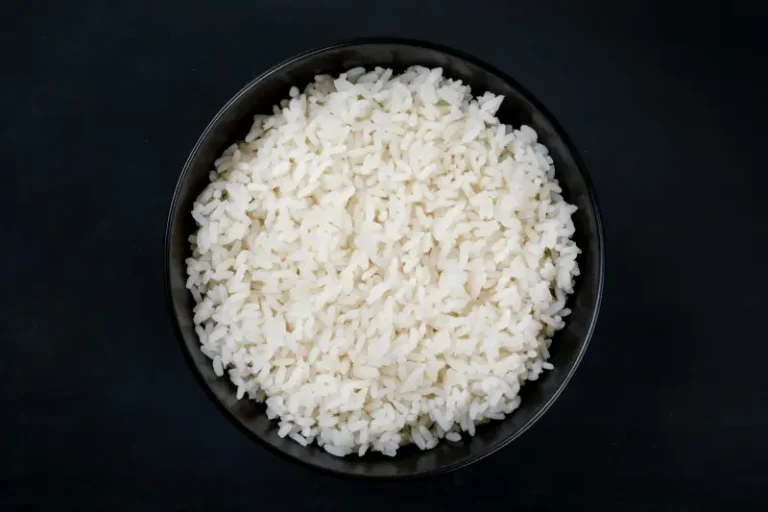
When you bite into crispy fried chicken, stretch a piece of chewy mochi, or spoon up a creamy pudding, you’re experiencing starch at work.
Starch is one of the most important ingredients in cooking when it comes to texture. It’s what thickens soups, sets custards, gives bread structure, and makes crusts crispy. By understanding how starch behaves with water and heat, you can control whether your food turns out creamy, firm, chewy, or crunchy.
Texture isn’t random. It’s built.
How Starch Thickens: What Happens When It Heats Up
Starch thickens food through a process called gelatinization (see Starch Gelatinization Explained: How Heat Transforms Flour and Grains).
When starch is mixed with water and heated, the tiny starch particles (called granules) begin to absorb water. As the temperature rises, they swell like tiny balloons. Eventually, they soften enough that some of their inner starch molecules leak out into the liquid.
As more and more granules swell and release starch, the mixture gets thicker. That’s why a thin sauce suddenly turns into gravy once it reaches the right temperature.
Different starches thicken at different temperatures. For example:
- Cornstarch needs fairly high heat before it thickens.
- Tapioca or potato starch thickens at slightly lower temperatures and often creates a clearer, shinier sauce.
Once starch has thickened a liquid, it becomes somewhat fragile. If you stir too aggressively, blend it heavily, or cook it too long, you can actually break down those swollen starch particles. When that happens, a thick sauce can suddenly become thin again. It’s not magic — it’s the structure breaking apart.
Why Some Foods Set Firm and Others Stay Creamy
After starch thickens a mixture, what happens as it cools determines the final texture.
Some starches create firm, sliceable textures. Others stay soft and creamy.
This difference comes down to two natural components inside starch: amylose and amylopectin (see Amylose vs Amylopectin: Why Starch Structure Changes Texture).
Starches that contain more amylose tend to form firmer gels. As the food cools, the starch molecules line up and stick together, forming a network that traps water. That’s what allows things like pie fillings or molded desserts to hold their shape when sliced.
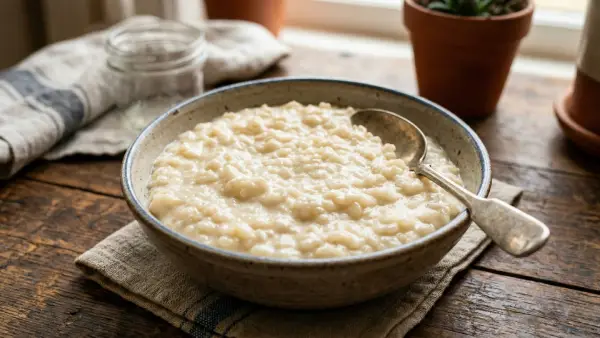
Starches that contain more amylopectin behave differently. Amylopectin has a branched structure that prevents tight packing. Foods made with these starches stay softer, more flexible, and more elastic. That’s why puddings remain spoonable and why some rice varieties feel sticky rather than firm.
In simple terms:
- More amylose = firmer set.
- More amylopectin = softer, stretchier texture.
How Crispiness Happens: The Science of Crunch
Crispy textures are created when water leaves a starch structure and the remaining material hardens.
When a starch-based batter hits hot oil, the water inside it turns to steam almost instantly. As the steam escapes, it leaves behind tiny air pockets. Meanwhile, the starch cooks and then dries out.
Once enough moisture is gone, the starch becomes rigid and brittle. This is called the “glassy state.” In this state, the structure is hard and snaps easily — that’s the crunch you hear.
The lighter and airier the batter, the crispier it feels. Adding bubbles (from carbonated water, beer, or baking powder) creates more air pockets. These tiny holes make the crust feel delicate and shatter easily instead of being dense and hard.
For more on how carbohydrates create global crispy textures, see Street Foods Built on Carbohydrates: The Science of Crunch and Structure.
So crunch is really about two things:
- Fast moisture loss.
- Tiny air pockets trapped in hardened starch.
How Chewy and Stretchy Textures Are Made
Chewy foods like mochi or certain noodles get their texture from cooked starch that has been worked or kneaded.
When high-starch foods like glutinous rice are cooked, the starch becomes soft and sticky. If you then pound or knead it, you physically push the starch molecules closer together and spread them out evenly. This creates a smooth, stretchy mass.
Interestingly, mochi’s stretchiness doesn’t come from gluten. It comes mostly from amylopectin, the branched form of starch that naturally resists firm setting.
Water also plays a big role in chewiness:
- Too little water makes food stiff and crumbly.
- Too much water makes it weak and sticky.
- The right balance creates bounce and elasticity.
In wheat dough, starch works together with gluten (the protein in wheat) to create structure. The starch holds moisture and fills space, while gluten adds stretch and strength. Together, they create the chew of bread and noodles. For a deeper explanation, see Flour Types Explained: The Science of Protein and Starch.
You can also explore how this balance works in non-wheat systems in Alternative Flours (Cassava, Chickpea, Rice): Structure Without Gluten.
Why Bread Gets Hard: Texture Changes Over Time
Even after cooking is done, starch continues to change.
As bread, rice, or pasta cools, the starch molecules slowly begin to reorganize themselves. They try to return to a more ordered, crystalline structure. This process is called retrogradation, and it’s one of the main reasons bread goes stale (see Retrogradation: Why Bread Goes Stale and How to Slow It Down).
At first, the texture simply firms up. Over time, it can become dry or crumbly. This isn’t just moisture loss — it’s the starch molecules tightening and squeezing water out of their structure.
Certain ingredients can slow this process:
- Sugar helps hold onto water (see Natural Sweeteners Compared: How Sugar Chemistry Changes Texture).
- Fat coats starch and keeps molecules from lining up too tightly.
- Emulsifiers (used in commercial baking) interfere with starch rearrangement.
That’s why enriched breads with sugar and fat stay soft longer than plain bread.
Conclusion: Texture Is Built on Purpose
Texture is not an accident. It’s the result of how starch behaves with heat, water, movement, and time.
By adjusting:
- How much water you use,
- How hot you cook,
- How much you stir,
- And what type of starch you choose,
you can control whether your food turns out creamy, firm, chewy, crispy, or soft.
From the snap of a cracker to the stretch of a noodle to the smoothness of pudding, starch is the quiet engineer shaping the way food feels in your mouth.
Once you understand that, you’re not just cooking — you’re designing texture.
Related article: How Carbohydrates Actually Build the Food We Love