
In modern cooking, sweetness and starch are no longer judged only by taste and texture. Many cooks now consider how food affects energy levels, blood sugar, and satiety. That’s where the Glycemic Index (GI) becomes a powerful culinary tool.
The Glycemic Index is not just a nutrition label concept. For cooks, it’s a practical guide that connects ingredient choice, preparation method, and even physical structure to how the body processes energy. Understanding GI allows you to design meals that deliver steady energy instead of spikes and crashes—without sacrificing flavor or the chew of a perfect dish.
Related article: How Carbohydrates Actually Build the Food We Love
What Is the Glycemic Index?
The Glycemic Index is a scale (0 to 100) that measures how quickly a carbohydrate-containing food raises blood glucose levels compared to pure glucose.
High GI (70+): Rapid spike (e.g., white bread, instant rice).
Medium GI (56–69): Moderate rise (e.g., honey, sweet potatoes).
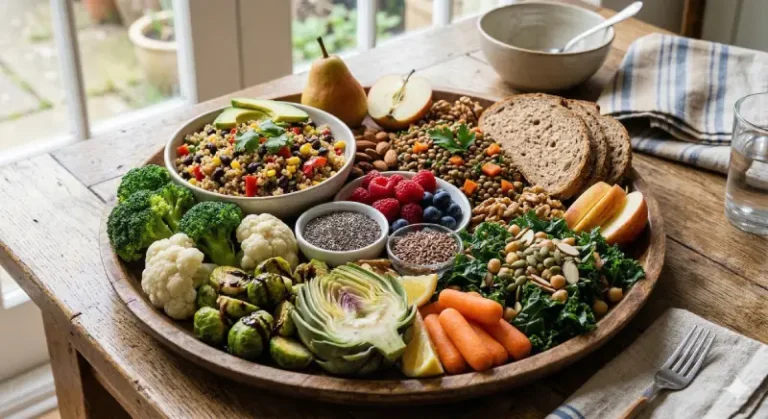
Low GI (55 or below): Slow, gradual release (e.g., lentils, temperate fruits).
GI does not measure sweetness; it measures digestion speed. For cooks, this means the architectural form of the carbohydrate determines its metabolic effect.
Why Structure Matters More Than Sugar
Two foods can contain the same amount of carbohydrate but behave very differently. This difference depends on several structural variables:
Starch Type (Amylose vs. Amylopectin): Amylose is a straight-chain starch that is harder for enzymes to break down, resulting in a lower GI. Amylopectin is highly branched and easier to digest, leading to a higher GI. See Amylose vs Amylopectin: How Starch Structure Controls Texture and Digestion.
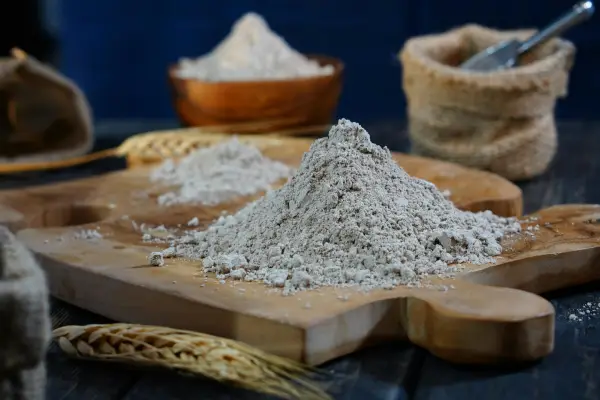
Particle Size: The more you grind an ingredient, the higher the GI tends to be. A whole wheat berry has a lower GI than whole wheat flour because the physical barrier of the intact grain slows digestion.
Preparation Method: Cooking changes GI. Al dente pasta has a lower GI than overcooked pasta because the starch granules remain more tightly packed. Learn more in Starch Gelatinization Explained: How Heat Transforms Carbohydrates.
The Role of Retrogradation (The “Cooling” Effect)
One of the most useful tools for cooks is resistant starch formation. When you cook a starch (like rice or potatoes) and then let it cool, the starch molecules reorganize through a process called retrogradation.
As they cool, they recrystallize into a form that human digestive enzymes cannot easily break down. This effectively lowers the GI of the food, even if it is later reheated. For a deeper explanation, see Retrogradation Explained: Why Bread Stales and Resistant Starch Forms.
This is why potato salad or leftover rice can have a lower glycemic impact than freshly boiled versions.
Sugar Types and Metabolic Response
Not all sweeteners are equal in their effect on blood sugar:
Glucose: Enters the bloodstream directly and rapidly.
Fructose: Processed primarily in the liver, leading to a lower immediate glycemic response.
Sucrose: A 50/50 combination of glucose and fructose.
This is why honey (higher in fructose) often has a slightly lower GI than table sugar, even though it tastes sweeter. For a deeper comparison of sweetener chemistry and baking function, see Natural Sweeteners Compared: The Biochemistry of Flavor and Function.
Fat, Protein, and Acid: Natural GI Moderators
Meals are rarely just carbohydrates. Fat, protein, and acid (such as vinegar or lemon juice) slow gastric emptying—the speed at which food leaves the stomach.
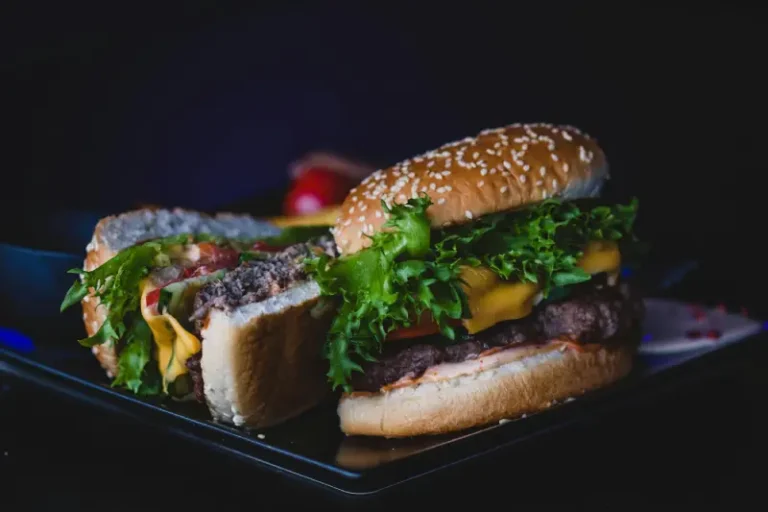
White bread alone: High GI.
White bread with avocado (fat): Lower glycemic effect.
Sourdough bread provides another example. The organic acids produced during fermentation significantly lower its glycemic impact compared to standard commercial yeast bread. Learn more in The Science of Sourdough: Fermentation, Acidity, and Structure.
From a culinary standpoint, balancing macronutrients improves both texture and metabolic stability.
Practical Applications for Cooks
To engineer steadier energy release in your kitchen:
Opt for Intact or Minimally Processed Grains: Use farro, barley, or steel-cut oats instead of refined white rice.
Preserve Texture: Cook vegetables and pasta to the point of firmness rather than softness to slow digestion.
Incorporate Legumes: Chickpea and lentil flours are naturally lower GI due to fiber and resistant starch. Explore structure-building options in Alternative Flours (Cassava, Chickpea, Rice): Structure Without Gluten.
Use Acid Strategically: Add citrus, vinegar, or long fermentation to doughs and grains to help moderate glycemic response.
Disclaimer
This article is for educational and culinary information purposes only. It is not medical advice. Glycemic responses vary significantly between individuals based on metabolism, gut microbiome composition, and overall health status. Individuals with diabetes, insulin resistance, or other metabolic disorders should consult a qualified healthcare professional or registered dietitian before making significant dietary changes. Always consider portion size (Glycemic Load) in addition to the Glycemic Index when evaluating dietary impact.
Conclusion
From a cook’s perspective, the Glycemic Index is about structural design. The way you cut, grind, soak, ferment, heat, and cool ingredients shapes not only flavor—but also how your guests feel two hours after the meal.
Texture influences digestion.
Structure influences metabolism.
And thoughtful cooking influences energy.
When you understand GI, you’re not just feeding people—you’re designing sustained vitality through food science.
Disclaimer
This article is for educational and culinary information purposes only. It is not medical advice. Glycemic responses vary between individuals based on metabolism, health conditions, and overall dietary patterns. Individuals with diabetes, insulin resistance, or other metabolic disorders should consult a qualified healthcare professional or registered dietitian before making significant dietary changes.