European food culture is not a single tradition, but a richly layered tapestry shaped by thousands of years of history, diverse climates, and deeply rooted social structures. From the olive-oil-rich cuisines of the Mediterranean to the hearty, grain-based foods of Northern Europe, European cuisine reflects the continent’s geography and its long legacy of trade, migration, conquest, and cultural exchange. To understand European food culture is to understand the people themselves—their resilience, celebrations, and enduring connection to the land.
Historical Foundations of European Cuisine: Courts and Countryside
The foundations of European gastronomy were shaped by two parallel culinary worlds: the refinement of royal courts and the practicality of rural, peasant kitchens.
Across countries such as France and Italy, aristocratic courts gave rise to haute cuisine, emphasizing refined techniques, structured multi-course meals, precise knife work, and complex sauces. These culinary traditions later became the basis of classical European cooking schools and restaurant culture.
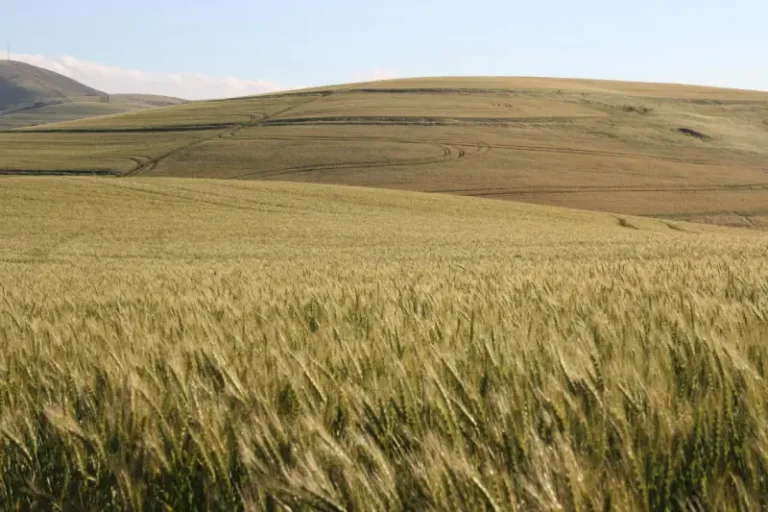
In contrast, everyday European food was built on survival and seasonality. Rural communities relied on accessible staples such as rye bread, barley, root vegetables, legumes, and fermented dairy products. Preservation techniques—pickling, curing, smoking, and fermenting—were essential for enduring long winters.
The arrival of ingredients from the Americas in the 15th and 16th centuries permanently transformed European food culture. Potatoes, tomatoes, maize, and peppers reshaped national identities, turning once-foreign ingredients into cornerstones of regional cuisines—such as the Irish potato or Italian tomato-based sauces.
Regional Culinary Identities Across Europe
European cuisine can be broadly understood through four major culinary regions, each shaped by climate, agriculture, and cultural history.
Southern Europe (Mediterranean)
Mediterranean food culture emphasizes fresh produce, olive oil, herbs, seafood, and grains. Meals are lighter, seasonal, and often vegetable-forward.
Iconic dishes: Pizza (Italy), Paella (Spain), Moussaka (Greece)
Western Europe
Western European cuisine focuses on refined techniques, butter, cream, wine, and slow-cooked dishes. Sauces and culinary precision play a central role.
Iconic dishes: Coq au Vin (France), Carbonade Flamande (Belgium)
Northern Europe (Scandinavia and the UK)
Northern cuisines rely heavily on preservation methods and hearty ingredients to withstand cold climates. Smoked fish, fermented foods, whole grains, and root vegetables dominate.
Iconic dishes: Gravlax (Sweden), Fish and Chips (UK), Haggis (Scotland)
Central and Eastern Europe
These cuisines are known for comforting, robust dishes featuring cabbage, beets, pork, and hearty stews. Food here reflects agricultural abundance and colder seasons.
Iconic dishes: Pierogi (Poland), Goulash (Hungary), Borscht (Ukraine)
The Butter–Olive Oil Divide in European Cooking
One of the most defining characteristics of European food culture is the historical divide between olive oil and animal fats.
Southern Europe traditionally relies on olive oil, resulting in lighter, herb-driven dishes that highlight freshness and acidity. Northern and Western Europe, where olive trees do not thrive, historically depended on butter, lard, and cream, creating richer textures and deeper flavors.
This divide is more than culinary—it reflects agricultural realities, climate, and centuries of regional adaptation.
Social Rituals and the European Dining Experience
In Europe, food is deeply tied to social life and ritual. Meals are rarely rushed and often serve as anchors for family and community connection.
Dining in Courses
Formal European meals follow a structured progression—starter, main course, and dessert—emphasizing balance and pacing rather than abundance all at once.
Shared Food Traditions
- Long lunches in Spain and Italy prioritize leisure and conversation
- Sunday roasts in the UK center family gatherings
- Tapas culture in Spain encourages communal sharing, variety, and movement between dishes
These rituals reflect a broader cultural belief that food is meant to be enjoyed slowly and together.
Modern European Food Trends: Tradition Meets Innovation
European food culture continues to evolve, blending heritage with contemporary values.
New Nordic Cuisine
Originating in Scandinavia, this movement champions hyper-local ingredients, foraging, seasonality, and minimalist presentation. Its influence has spread across Europe, encouraging chefs to rediscover regional landscapes.
Sustainability and Plant-Forward Eating
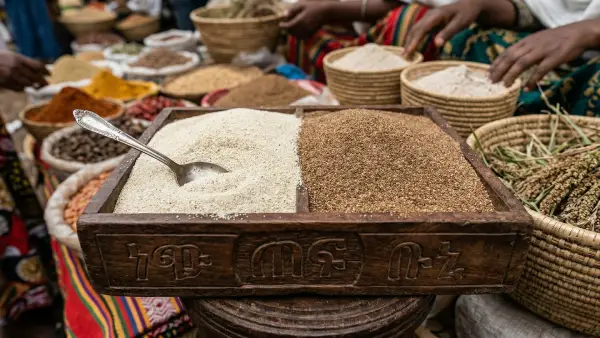
Across the continent, traditional recipes are being reinterpreted with plant-based proteins, ancient grains such as spelt and emmer, and environmentally conscious techniques—honoring the past while addressing modern health and sustainability concerns.
Conclusion: A Living Culinary Heritage
European food culture stands as a testament to the continent’s ability to preserve tradition while embracing change. Whether it is a warming bowl of Hungarian goulash on a winter evening or a perfectly balanced Neapolitan pizza celebrated for its simplicity, European cuisine remains a living history.
At its core, European gastronomy teaches a timeless lesson: the best meals respect the ingredient, the season, and the people gathered at the table.