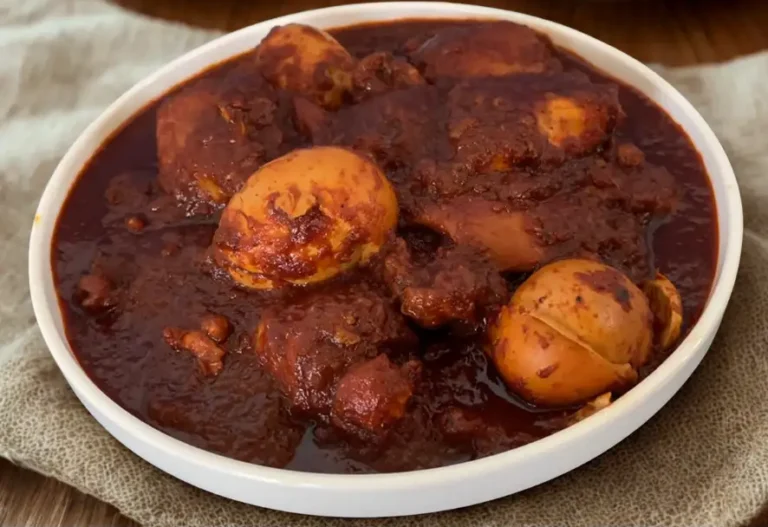
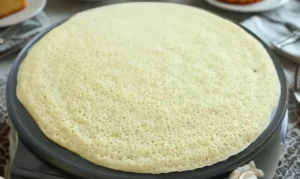
If you’ve ever eaten Ethiopian or Eritrean food, you already know that injera isn’t just bread—it’s the plate, the utensil, and the soul of the meal. Soft, spongy, slightly tangy, and beautifully dotted with tiny bubbles, injera is what holds richly spiced stews (called wot) and vegetables together in one communal experience.
Traditional injera is made from teff, one of the world’s oldest grains. Naturally gluten-free and incredibly nutritious, teff ferments over several days to develop injera’s signature sour flavor and airy texture. While it takes patience, the process is surprisingly simple—and deeply rewarding.
This recipe walks you through authentic teff injera, with clear steps, realistic expectations, and tips for success at home.
What Is Injera?
Injera is a fermented flatbread from Ethiopia and Eritrea. It’s:
- Soft and flexible
- Slightly sour (thanks to fermentation)
- Cooked on one side only
- Used to scoop up food rather than sliced or buttered
The texture should resemble a thin, spongy pancake, full of tiny holes called “eyes.”
Ingredients
You only need two main ingredients. Seriously.
Ingredients:
- 2 cups teff flour (brown or ivory)
- 3 cups water (room temperature)
- ½ teaspoon salt (added later)
Important: Use 100% teff flour for authentic flavor and texture. Blends work, but they won’t taste the same.
Equipment You’ll Need
- Large glass or ceramic bowl
- Wooden spoon or clean hands
- Clean kitchen towel or loose lid
- Nonstick skillet or large flat pan (12 inches or wider)
- Blender (optional, for smoother batter)
Step 1: Mix the Batter (Day 1)
- In a large bowl, combine the teff flour and water.
- Stir until smooth. The batter should be thinner than pancake batter—closer to crêpe batter.
- Cover loosely (do not seal airtight).
- Leave at room temperature for 2–4 days.
What Happens During Fermentation
- Bubbles will form on the surface
- A slightly sour aroma will develop
- Liquid may rise to the top (this is normal)
🕰️ Fermentation time depends on temperature. Warmer kitchens ferment faster.
Step 2: Check the Fermentation (Days 2–4)
Your batter is ready when:
- It smells pleasantly sour (not rotten)
- Tiny bubbles appear throughout
- The surface looks active and airy
If there’s dark liquid on top, gently pour it off, or stir it back in for a stronger tang.
Step 3: Add Salt & Adjust Texture
- Stir in ½ teaspoon salt.
- If the batter is thick, add a splash of water.
- Optional: Blend briefly for extra smoothness.
The final batter should pour easily and spread itself in the pan.
Step 4: Cook the Injera
This part takes practice—don’t worry if the first one isn’t perfect.
- Heat a nonstick skillet over medium heat.
- Lightly wipe with oil (then wipe it off).
- Pour batter into the center of the pan.
- Quickly swirl the pan in a circular motion to spread.
- Cover with a lid and cook for 1–2 minutes.
Key Details:
- Do not flip. Injera cooks on one side only.
- Steam cooks the top, forming bubbles.
- It’s done when the surface is dry and set.
Remove carefully and let cool on a clean towel.
Step 5: Repeat & Stack
Cook remaining batter, stacking injera with parchment or cloth between layers. As they cool, they’ll soften even more.
How Injera Should Look & Taste
✔ Soft and flexible
✔ Full of tiny holes
✔ Slightly sour, not bitter
✔ Pale brown or grayish in color
If it’s:
- Too sour → fermented too long
- Flat and dense → batter too thick or under-fermented
- Cracking → pan too hot or batter too dry
Storage Tips
- Store cooked injera wrapped in cloth or plastic
- Keep at room temperature for 1 day
- Refrigerate up to 3 days
- Freeze with parchment between layers for up to 1 month
How to Serve Injera
Traditionally, injera is served family-style:
- Spread a large injera on a platter
- Spoon stews and vegetables on top
- Use extra injera to scoop and eat
Classic pairings include:
- Doro wot (spiced chicken stew)
- Misir wot (lentils)
- Shiro (chickpea stew)
- Gomen (collard greens)
Making injera is less about perfection and more about patience and feel. Each batch teaches you something new. Once you nail the fermentation, you’ll never look at bread the same way again.