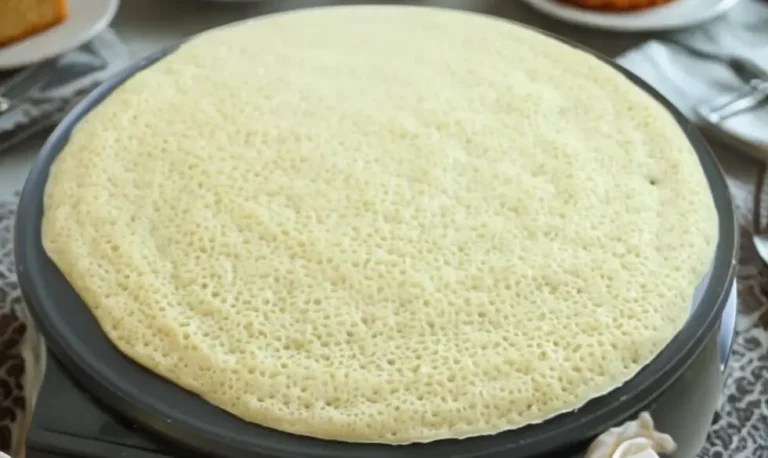
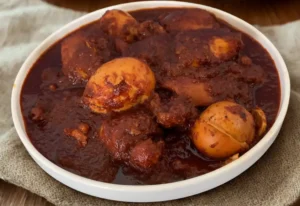
If injera is the foundation of Ethiopian food, doro wot is the celebration dish. Deeply spiced, slow-cooked, and richly colored, this traditional chicken stew is served at holidays, weddings, and family gatherings—especially during Ethiopian Easter and Christmas.
What makes doro wot unforgettable isn’t just the chicken. It’s the hours-softened onions, the fragrant berbere spice blend, and the luxurious finish of niter kibbeh (Ethiopian spiced butter). The result is a stew that’s bold, complex, and comforting all at once.
This recipe walks you through the traditional method, with tips to make it achievable in a home kitchen—without losing its soul.
What Is Doro Wot?
Doro wot (sometimes spelled wat or wett) is a slow-simmered Ethiopian chicken stew made with:
- Bone-in chicken
- A massive amount of onions (yes, really)
- Berbere spice blend
- Niter kibbeh
- Hard-boiled eggs
It’s traditionally served over injera, eaten communally, and meant to be rich, spicy, and deeply satisfying.
Ingredients
For the Stew:
- 2½–3 lbs bone-in chicken, skin removed (legs & thighs preferred)
- 4–5 cups finely chopped onions (about 5 large onions)
- ⅓ cup niter kibbeh (or unsalted butter)
- ¼ cup berbere spice blend (adjust to taste)
- 4 cloves garlic, minced
- 1 tbsp fresh ginger, minced
- 2 tbsp tomato paste
- 1–2 cups water or chicken stock
- Salt to taste
For Finishing:
- 4–6 hard-boiled eggs, peeled
- Extra niter kibbeh for richness (optional)
Step 1: Prepare the Chicken
- Cut chicken into serving pieces if needed.
- Rinse and soak briefly in cold water with lemon juice or vinegar.
- Drain and set aside.
This step helps remove excess fat and gives the chicken a cleaner flavor—common in traditional preparation.
Step 2: Cook the Onions (The Most Important Step)
This is where doro wot gets its depth.
- Add chopped onions to a dry, heavy-bottomed pot over medium heat.
- Cook, stirring often, until the onions:
- Release moisture
- Reduce significantly
- Become soft and paste-like (30–45 minutes)
❗ Do not rush this step. The onions should break down completely without browning.
Step 3: Add the Fat & Spices
- Stir in the niter kibbeh.
- Add garlic and ginger. Cook 2–3 minutes until fragrant.
- Stir in berbere and tomato paste.
- Cook gently for 5–10 minutes, stirring often, until the oil turns deep red and aromatic.
This step “blooms” the spices and gives doro wot its signature color and heat.
Step 4: Simmer the Chicken
- Add the chicken pieces, coating them well in the sauce.
- Add water or stock gradually—just enough to create a thick stew.
- Cover and simmer on low heat for 30–45 minutes, turning chicken occasionally.
The sauce should be rich and thick, not soupy.
Step 5: Add the Eggs
- Pierce each hard-boiled egg gently with a knife.
- Add eggs to the stew during the final 10–15 minutes.
- Spoon sauce over them so they absorb flavor.
Step 6: Adjust & Rest
- Taste and adjust salt
- Add extra niter kibbeh for richness if desired
- Let the stew rest off heat for 10 minutes before serving
Like many stews, doro wot tastes even better the next day.
How to Serve Doro Wot
Traditionally:
- Spread injera on a large platter
- Spoon doro wot on top
- Place an egg on each serving
- Eat by tearing injera and scooping
No forks required—just flavor and community.
Tips for Authentic Flavor
- Use bone-in chicken for depth
- Don’t reduce onions by substituting fewer—this is essential
- Adjust berbere slowly; heat builds as it cooks
- Homemade niter kibbeh elevates the dish dramatically
Storage & Reheating
- Refrigerate up to 4 days
- Freeze up to 2 months
- Reheat gently on the stove with a splash of water
Doro wot isn’t a quick meal—it’s a labor of love. But every slow-simmered minute pays off in layers of flavor that feel both ancient and deeply comforting. Once you master it, you’ll understand why it holds such a special place in Ethiopian culture.