In China, food is far more than mere sustenance; it is a profound language of history, philosophy, and social harmony. To understand Chinese food culture is to understand a civilization that views the kitchen as a laboratory of balance and the dining table as the ultimate altar of family unity.
The Philosophy of Flavor: Balance and Harmony
At the heart of Chinese gastronomy lies the concept of Yin and Yang. This isn’t just ancient philosophy; it’s a practical guide for the kitchen. Every meal is an exercise in balancing “heating” foods (like red meat, ginger, and chili) with “cooling” foods (like green vegetables, tofu, and melon).
The Chinese culinary aesthetic is defined by the “Four Essential Elements”:
- Color (Se): A dish must be visually vibrant and harmonious.
- Aroma (Xiang): The scent should reach the diner before the plate does.
- Taste (Wei): A complex layering of the five fundamental flavors (sweet, sour, bitter, spicy, and salty).
- Texture (Xing): Often referred to as “mouthfeel,” ranging from the crunch of wood ear mushrooms to the silkiness of congee.
A Map of Taste: The Four Great Traditions
China’s vast geography has birthed distinct regional preferences, often summarized by the phrase “South is sweet, North is salty, East is sour, and West is spicy.”
| Region | Style | Primary Characteristics | Iconic Dish |
| Sichuan | Bold & Spicy | Use of Sichuan peppercorns for a numbing (ma) sensation. | Mapo Tofu |
| Cantonese | Light & Fresh | Focuses on the natural flavors of ingredients; minimal seasoning. | Dim Sum / Steamed Fish |
| Shandong | Savory & Crisp | Heavy use of scallions, garlic, and seafood from the coast. | Peking Duck |
| Jiangsu | Sweet & Delicate | Artistic presentation and precise cutting techniques. | Lion’s Head Meatballs |
The Cultural Significance of the Table
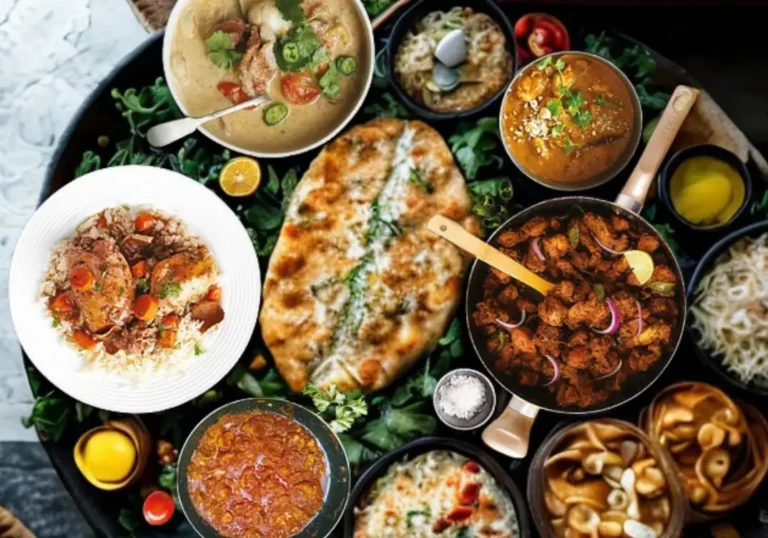
In Chinese culture, the way food is consumed is just as important as the food itself. The Round Table is a staple of Chinese dining, symbolizing “reunion” (tuanyuan). Unlike Western dining, where individuals order separate plates, Chinese meals are communal. Sharing dishes reinforces the idea of the collective over the individual.
Symbolism in Ingredients
Food is often chosen for its symbolic meaning, especially during festivals:
- Noodles: Represent longevity—tradition dictates they should never be cut, as a long noodle represents a long life.
- Fish: The word for fish (yu) is a homophone for “surplus,” symbolizing wealth and abundance.
- Dumplings: Shaped like ancient silver ingots, they represent prosperity for the coming year.
The Modern Palate
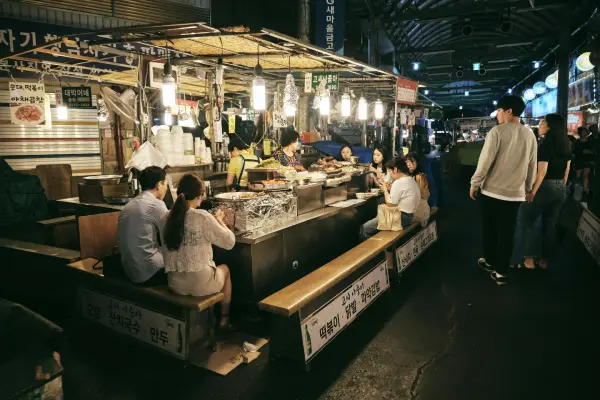
Today, China’s food culture is a bridge between the ancient and the hyper-modern. While traditional wet markets still bustle with locals seeking the freshest bok choy, urban centers are melting pots of innovation. There is a growing “street food” culture that blends regional styles—like the spicy Malatang—with global influences, proving that while preferences evolve, the passion for a well-balanced meal remains constant.
The beauty of Chinese food culture lies in its resilience and its ability to turn a simple meal into a storytelling experience. Whether it is a humble bowl of hand-pulled noodles on a rainy street corner or an elaborate banquet in a gilded hall, the essence remains the same: a celebration of life, one bite at a time.