Table of Contents
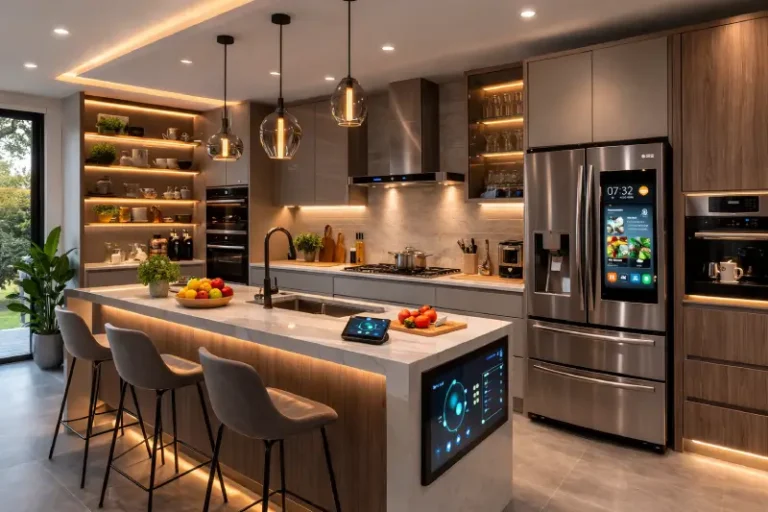
The modern kitchen is no longer just a place to cook; it is rapidly evolving into a high-tech command center. As of 2025–2026, the global smart kitchen market is estimated to be valued between $40 billion and $50 billion, with projections suggesting it could surpass $70 billion by 2030.
This growth is driven by a shift from standalone connected gadgets to fully integrated smart ecosystems powered by artificial intelligence, IoT (Internet of Things), and energy-efficient technologies.
From large-scale manufacturing hubs to design-driven luxury markets, the global landscape is shaped by regional strengths, innovation capabilities, and evolving consumer lifestyles.
China: The Global Manufacturing Powerhouse
China continues to dominate as the world’s largest manufacturing hub for smart kitchen appliances. Its strength lies in scale, cost efficiency, and rapid adoption of IoT-enabled technologies.
Top Brands:
- Haier Smart Home
- Midea Group
- Xiaomi
- Gree Electric
- Joyoung
Market Insight:
China contributes a significant share of global smart appliance production and exports, supported by strong domestic demand and urban expansion.
The 2026 Edge:
Chinese companies are advancing in Edge AI, integrating AI chips directly into appliances. This allows devices to process data locally—enabling faster response times, improved privacy, and reduced reliance on cloud systems.
United States: Innovation & Smart Ecosystems
The United States market is defined by high consumer spending and ecosystem-driven adoption. Consumers increasingly prefer fully connected kitchen suites that integrate seamlessly with smart home platforms.
Top Brands:
Market Insight:
The U.S. represents one of the largest high-value smart kitchen markets globally, driven by premium appliances and smart home integration.
The 2026 Edge:
Innovation is focused on AI-assisted cooking, where ovens and appliances use sensors and internal cameras to recognize food types and automatically adjust cooking settings for optimal results.
Germany: Precision Engineering & Premium Quality
Germany’s smart kitchen market reflects its reputation for engineering excellence, durability, and sustainability. Energy efficiency and regulatory standards play a crucial role in product development.
Top Brands:
Market Insight:
Germany represents a key premium segment within Europe, with steady growth driven by high-quality and eco-friendly appliances.
The 2026 Edge:
Manufacturers are focusing on energy optimization and smart automation, including features like automated detergent systems and appliances that operate during off-peak energy hours.
South Korea: Leaders in Connectivity
South Korea stands out for its advanced digital infrastructure and deeply integrated smart home ecosystems, where kitchen appliances are seamlessly connected with mobile and AI platforms.
Top Brands:
Market Insight:
The market is rapidly expanding, driven by tech-savvy consumers and widespread adoption of connected home devices.
The 2026 Edge:
Platforms like Samsung’s Family Hub are evolving into central kitchen management systems, capable of tracking food inventory, suggesting recipes, and integrating with broader smart home environments.
Japan: Advanced Technology & Compact Innovation
Japan’s smart kitchen ecosystem is shaped by space efficiency, reliability, and automation, addressing both compact living conditions and demographic challenges.
Top Brands:
- Panasonic Corporation
- Sharp Corporation
- Toshiba
- Hitachi
Market Insight:
Growth is driven by precision technology and compact appliance innovation, catering to urban households.
The 2026 Edge:
Japan is actively exploring robot-assisted kitchen solutions, including devices that can assist with preparation tasks, though widespread adoption is still emerging.
Sweden: Sustainability & Energy Efficiency
Sweden plays an important role in Europe’s smart kitchen ecosystem, with a strong focus on sustainability, circular design, and long-lasting appliances.
Top Brands:
Market Insight:
The Nordic region emphasizes eco-friendly innovation, influencing broader European appliance standards.
France: Small Appliance Specialists
France’s market is driven by a strong culture of cooking combined with growing adoption of connected small appliances.
Top Brands:
Market Insight:
The country shows steady growth, particularly in smart cooking devices, multi-cookers, and precision appliances.
Turkey: The Emerging Export Hub
Turkey has emerged as a strategic manufacturing and export base connecting Europe and Asia. Its competitive advantage lies in cost-effective production and strong distribution networks.
Top Brands:
Market Insight:
Growth is supported by the ability to deliver affordable and mid-range smart appliances to international markets.
India: The High-Growth Frontier
India is one of the fastest-growing smart kitchen markets, fueled by urbanization, rising disposable income, and increasing digital adoption.
Top Brands:
Market Insight:
The market is expanding rapidly, with growing demand for modular kitchens, smart appliances, and connected cooking solutions.
The 2026 Edge:
Adoption is driven by smart, affordable appliances, while global brands like Samsung and LG continue to dominate the premium segment.
Italy: Design & Premium Aesthetics
Italy represents the intersection of technology and design, where aesthetics are as important as functionality.
Top Brands:
Market Insight:
Italy maintains a strong presence in the premium appliance segment, driven by global demand for stylish and high-quality kitchen solutions.
The 2026 Edge:
The concept of “Invisible Technology” is gaining traction—where advanced smart features are seamlessly integrated into elegant, minimalistic designs.
Key Global Trends Shaping Smart Kitchens (2026)
- AI-Powered Cooking: Appliances that automatically adjust settings based on food recognition
- Edge Computing: Faster, more private data processing within devices
- Energy Efficiency: Smart appliances optimized for low power consumption
- Smart Home Integration: Seamless connectivity via platforms like Matter
- Voice & Vision Interfaces: Hands-free control and visual recognition technology
- Modular & Compact Design: Especially relevant in urban markets
Final Summary
The global smart kitchen market is transitioning from connected devices to intelligent ecosystems. While China dominates manufacturing and the U.S. leads in consumption and innovation, countries like Germany, South Korea, and Japan push technological boundaries, and emerging markets like India offer massive growth potential.
As technology continues to evolve, the kitchen is set to become one of the most intelligent and personalized spaces in the modern home.