
Table of Contents
In recent decades, dietary habits around the world have shifted toward convenience foods that are often highly processed and nutritionally imbalanced. One of the most common nutritional gaps in modern diets is the lack of dietary fiber. Although fiber does not provide energy in the same way as carbohydrates or fats, it plays a crucial role in maintaining digestive health, regulating metabolism, and supporting long-term disease prevention.
High fiber foods are primarily derived from plant sources such as vegetables, fruits, legumes, whole grains, nuts, and seeds. These foods provide structural carbohydrates that the human digestive system cannot fully break down. Instead of being digested, fiber moves through the digestive tract while performing a range of important physiological functions.
From improving bowel regularity to supporting heart health and stabilizing blood sugar levels, fiber contributes to several essential aspects of human health. Understanding what fiber is, how it functions in the body, and which foods contain the highest amounts can help individuals make more informed dietary choices.
This guide explores the science behind dietary fiber, the benefits of consuming fiber-rich foods, and the best ingredients to incorporate into everyday meals.
Understanding Dietary Fiber
Dietary fiber refers to a category of carbohydrates found in plant foods that resist digestion in the small intestine. Unlike simple sugars and starches, fiber is not broken down into glucose during digestion. Instead, it passes through the gastrointestinal tract relatively intact, interacting with digestive processes along the way.
Fiber is broadly classified into two main categories based on how it behaves in water and within the digestive system.
Soluble Fiber
Soluble fiber dissolves in water and forms a gel-like substance during digestion. This gel slows down the movement of food through the digestive tract, which can help regulate the absorption of nutrients.
One of the most significant benefits of soluble fiber is its ability to influence cholesterol levels. When soluble fiber forms a gel in the intestine, it can bind with cholesterol particles and assist in removing them from the body. This process contributes to improved cardiovascular health.
In addition, soluble fiber slows carbohydrate digestion, which helps prevent rapid spikes in blood sugar levels after meals. This makes foods rich in soluble fiber particularly beneficial for individuals managing diabetes or insulin resistance.
Common sources of soluble fiber include oats, barley, apples, citrus fruits, beans, lentils, and chia seeds.
Related Topic: What is Functional Fiber?
Insoluble Fiber
Insoluble fiber does not dissolve in water. Instead, it adds bulk to stool and helps food move efficiently through the digestive tract. This mechanical effect supports healthy bowel movements and helps prevent constipation.
Because insoluble fiber accelerates the movement of waste through the intestines, it also contributes to maintaining a healthy digestive environment. Diets rich in insoluble fiber are associated with improved bowel regularity and a reduced risk of certain digestive disorders.
Whole grains, wheat bran, vegetables, nuts, and seeds are among the most common sources of insoluble fiber.
Most natural plant foods contain a combination of both soluble and insoluble fiber, which is why a varied diet is the most effective approach to achieving balanced fiber intake.
Why High Fiber Foods Matter
Fiber-rich diets have long been associated with improved health outcomes. Numerous studies indicate that individuals who regularly consume fiber rich foods experience lower risks of several chronic conditions.
The benefits of dietary fiber extend far beyond digestion and influence multiple systems within the body.
Supporting Digestive Health
One of the most widely recognized functions of fiber is its role in maintaining healthy digestion. Fiber increases stool bulk and helps food move through the digestive tract at an appropriate pace.
This process reduces the likelihood of constipation and supports regular bowel movements. A diet rich in fiber also encourages the growth of beneficial bacteria within the gut, which contribute to a balanced intestinal microbiome.
The gut microbiome plays a critical role in digestion, immune function, and even mental health, making fiber intake an important factor in maintaining overall well-being.
Promoting Heart Health
Dietary fiber has been consistently linked to improved cardiovascular health. Soluble fiber, in particular, helps reduce levels of low-density lipoprotein (LDL) cholesterol, often referred to as “bad cholesterol.”
Lower LDL levels reduce the risk of plaque formation in the arteries, which in turn lowers the likelihood of heart disease and stroke. Populations that consume diets naturally high in fiber tend to show lower rates of cardiovascular disease.
Supporting Healthy Weight Management
Fiber-rich foods are typically more filling than highly processed foods. Because fiber slows digestion and increases satiety, it helps people feel satisfied for longer periods after eating.
This natural appetite control can reduce unnecessary snacking and overall calorie consumption. For individuals trying to manage their weight, increasing fiber intake can be an effective dietary strategy.
High fiber foods also tend to be less energy-dense, meaning they provide fewer calories per serving compared with refined foods.
Stabilizing Blood Sugar Levels
Fiber plays an important role in regulating blood glucose levels. By slowing the digestion of carbohydrates, fiber prevents rapid increases in blood sugar following meals.
This steady release of glucose supports more consistent energy levels throughout the day and reduces the strain on insulin regulation. As a result, high fiber diets are often recommended for people managing diabetes or metabolic syndrome.
Supporting the Gut Microbiome
Certain types of fiber act as prebiotics, meaning they serve as food for beneficial gut bacteria. When these bacteria ferment fiber in the colon, they produce short-chain fatty acids that help maintain intestinal health.
A diverse and balanced gut microbiome has been associated with improved digestion, stronger immune function, and reduced inflammation in the body.
Recommended Daily Fiber Intake
Despite the well-documented benefits of dietary fiber, most people do not consume enough of it.
General dietary guidelines suggest that adults should aim for approximately:
• 25 grams of fiber per day for women
• 38 grams of fiber per day for men
However, studies indicate that average daily intake in many populations is significantly lower, often falling between 10 and 15 grams per day.
Gradually increasing fiber intake through whole foods can help close this gap and improve overall nutritional balance.
High Fiber Foods to Include in Your Diet
A wide variety of plant-based foods provide significant amounts of dietary fiber. Incorporating these ingredients into everyday meals can help individuals meet recommended intake levels while enjoying diverse flavors and textures.
Lentils
Lentils are among the most fiber-rich legumes available. They also provide an excellent source of plant protein, iron, and folate.
A single cup of cooked lentils contains approximately 15 grams of fiber, making them one of the most efficient ways to increase daily fiber intake.
Lentils are highly versatile and can be incorporated into soups, stews, curries, and salads.
Chickpeas
Chickpeas, also known as garbanzo beans, are widely used in Mediterranean and Middle Eastern cuisines. They contain roughly 12 grams of fiber per cooked cup and provide a balanced combination of fiber, protein, and essential minerals.
Chickpeas can be used in dishes such as hummus, grain bowls, roasted snacks, or vegetable curries.
Oats
Oats are a well-known source of soluble fiber, particularly beta-glucan, which has been extensively studied for its cholesterol-lowering properties.
A serving of cooked oats contains about 4 grams of fiber and provides a hearty, nutritious base for breakfast. Oats can also be incorporated into baked goods, smoothies, and granola.
Chia Seeds
Chia seeds are among the most concentrated sources of dietary fiber. Just two tablespoons provide roughly 10 grams of fiber along with omega-3 fatty acids and antioxidants.
Because chia seeds absorb liquid and form a gel-like texture, they are commonly used in puddings, smoothies, and yogurt-based dishes.
Avocados
Avocados are unique among fruits because they contain both healthy monounsaturated fats and significant amounts of fiber.
A medium avocado provides approximately 10 grams of fiber. Its creamy texture makes it a versatile ingredient for salads, spreads, sandwiches, and smoothies.
Apples
Apples are a convenient and widely available fruit that contributes a moderate amount of fiber. Much of this fiber is concentrated in the skin, making whole apples more nutritious than peeled ones.
In addition to fiber, apples contain pectin, a soluble fiber known for supporting digestive health.
Berries
Berries are among the most fiber-rich fruits relative to their size. Raspberries and blackberries are particularly notable, containing around 7 to 8 grams of fiber per cup.
In addition to fiber, berries provide antioxidants that help protect cells from oxidative stress.
Sweet Potatoes
Sweet potatoes are a nutrient-dense root vegetable that provides fiber along with complex carbohydrates, vitamins, and minerals.
A medium sweet potato contains roughly 4 grams of fiber and is an excellent source of vitamin A.
They can be roasted, baked, mashed, or incorporated into soups and stews.
Broccoli
Broccoli is a cruciferous vegetable known for its impressive nutrient profile. It provides fiber, vitamins, and bioactive compounds associated with disease prevention.
One cup of cooked broccoli offers about 5 grams of fiber while contributing minimal calories.
Whole Grains
Whole grains retain all parts of the grain kernel, including the bran and germ, which contain most of the fiber and nutrients.
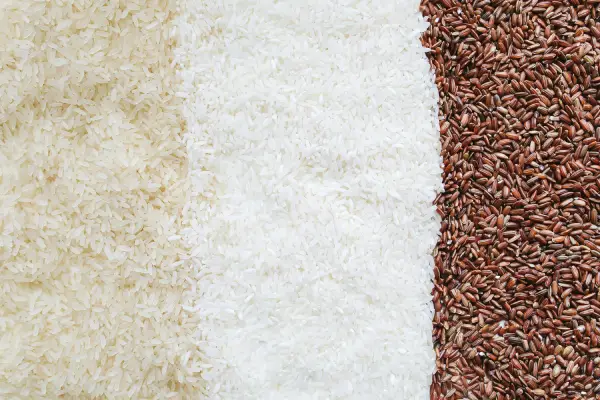
Examples of fiber-rich whole grains include brown rice, quinoa, barley, whole wheat, and bulgur. Replacing refined grains with whole grains is one of the most effective ways to improve fiber intake.
Practical Ways to Increase Fiber Intake
Adopting a fiber-rich diet does not require drastic dietary changes. Small adjustments to everyday eating habits can significantly increase fiber consumption.
Starting the day with whole grain cereals or oatmeal provides an immediate fiber boost. Adding legumes to soups and salads increases both fiber and protein content. Choosing fruits, nuts, and seeds as snacks instead of processed foods further enhances fiber intake.
Replacing refined grains such as white bread and white rice with whole grain alternatives can also make a substantial difference over time.
Important Considerations When Increasing Fiber
While increasing fiber intake is beneficial, it is important to make the transition gradually. A sudden increase in fiber consumption can lead to temporary digestive discomfort, including bloating or gas.
Drinking adequate amounts of water is also essential, as fiber absorbs liquid during digestion. Proper hydration helps fiber move smoothly through the digestive system.
Finally, a balanced diet that includes a wide range of fruits, vegetables, whole grains, legumes, nuts, and seeds ensures that both soluble and insoluble fiber are adequately represented.
Conclusion
High fiber foods play a vital role in maintaining digestive health, supporting cardiovascular function, and regulating metabolic processes. Despite their importance, many modern diets fall short of recommended fiber intake.
Incorporating fiber-rich ingredients such as legumes, whole grains, fruits, vegetables, and seeds into everyday meals can significantly improve overall nutrition. These foods not only enhance digestion but also contribute to long-term health and disease prevention.
By making small but consistent dietary changes, individuals can increase their fiber intake and experience the wide-ranging benefits that this essential nutrient provides.
Related article: Whole Grains vs Refined Grains
Disclaimer
This article is intended for informational and educational purposes only. The content should not be considered medical or nutritional advice. Individual dietary needs may vary, and readers are encouraged to consult a qualified healthcare professional or registered dietitian before making significant changes to their diet or lifestyle. The author and publisher are not responsible for any outcomes resulting from the use of the information provided.