Table of Contents
Flour is often treated as a “set-and-forget” pantry staple, but from a food science perspective, it is a biologically active powder. Proper storage is not just about keeping pests away; it is about preventing lipid oxidation, managing moisture migration, and preserving the functional integrity of the glutenin and gliadin proteins.
The Enemy of Freshness: Oxidation and Rancidity
The most significant threat to flour quality—especially for whole-grain and alternative flours—is oxygen.
- Lipid Oxidation: Whole wheat, ancient grains, and nut flours contain the germ, which is rich in unsaturated fats. When exposed to air, these fats oxidize, creating “off” flavors and a soapy or bitter aroma.
- Refined Flour Stability: White flour has the germ removed, making it much more stable. However, even refined flour can absorb strong odors from the environment due to its high surface area.
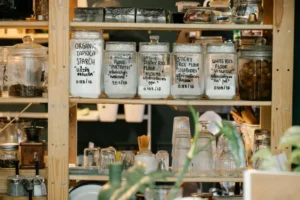
- Storage Solution: Always use airtight containers. Transitioning from paper bags to glass or food-grade plastic bins significantly reduces oxygen exposure.
Temperature Control: The Metabolic Brake
Heat accelerates every chemical reaction, including the degradation of proteins and the spoilage of fats.
- Room Temperature: Suitable for refined white flour for 6–12 months, provided the environment is cool and dry.
- Refrigeration and Freezing: Cold temperatures slow down the molecular motion of lipids, extending shelf life to 2 years or more.
- Pro Tip: If storing in the freezer, let the flour reach room temperature before mixing into a dough. Cold flour can inhibit Starch Gelatinization and slow down yeast activity.
Moisture and Humidity: Preventing Hydrolysis
Flour is hygroscopic, meaning it actively pulls moisture from the air.
- Clumping and Mold: Excessive moisture leads to clumping and, eventually, fungal growth. Even if mold isn’t visible, high moisture can trigger enzymatic activity that breaks down starch prematurely.
- Protein Degradation: Constant fluctuations in humidity can subtly alter the protein structure, leading to inconsistent results in high-stakes baking.
Starch Storage and Shelf Life: Managing Molecular Stability
While flour storage focuses on proteins and fats, starch storage (for pure starches like cornstarch, tapioca, or potato starch) is primarily about preventing physical changes in the starch granules and avoiding contamination.
Pure Starch vs. Flour: Why Starches Last Longer
Pure starches lack the fats and proteins found in flour, meaning they don’t go “rancid” in the traditional sense.
- Inert Nature: Without the germ oils, pure cornstarch or arrowroot can remain functionally stable for decades if kept perfectly dry.
- The Risk of Fermentation: If moisture enters a starch container, wild yeasts can begin a slow Fermentation process, souring the starch and ruining its thickening power.
Preventing Granule Damage
Starch relies on its crystalline structure to perform. If starches are stored in high-heat environments (like a cabinet directly above a stove), the granules can undergo minor physical changes.
- Reduced Thickening Power: Heat-damaged starch may not swell as efficiently during cooking, leading to thin sauces or weak gels.
- Texture Shifts: Inconsistent storage temperatures can affect the texture, making the starch more prone to weeping or leaking water over time.
Shelf Life Indicators: When to Toss It
Because starches and flours don’t always “look” spoiled, you must rely on sensory cues:
- The Sniff Test: Any hint of play-dough, old cardboard, or sourness indicates that the oils have oxidized or moisture has triggered microbial growth.
- The Clump Test: If the powder doesn’t flow freely or has hard lumps that don’t easily break apart, it has likely absorbed too much moisture.
- Color Shift: Whole grain flours will fade in color as the carotenoid pigments oxidize.
Conclusion
Storing your carbohydrates is an exercise in environmental control. By managing oxygen, heat, and moisture, you ensure that the “starch engine” and “protein skeleton” of your ingredients remain ready for action. For more on how these ingredients behave once they hit the oven, see Retrogradation: Why Bread Goes Stale.
Related article: How Carbohydrates Actually Build the Food We Love