Table of Contents
In the expanding world of global cuisine and dietary needs, alternative flours—those derived from tubers, legumes, and non-wheat grains—have moved from niche ingredients to culinary staples. Unlike wheat, these flours lack the elastic glutenin and gliadin proteins required to build a traditional “dough skeleton.”
Instead, their performance is dictated by their unique starch-to-fiber ratios and protein behaviors. Understanding these biochemical properties allows you to manipulate texture, from the “stretch” of a cassava wrap to the “snap” of a rice cracker.
Cassava Flour: The High-Amylopectin Powerhouse
Derived from the whole root of the Cassava, this flour is the closest gluten-free analog to wheat flour in terms of texture and handling.
- Molecular Profile: Cassava is exceptionally high in amylopectin, a branched starch molecule that provides significant stickiness and cohesion.
- The “Chew” Factor: When hydrated and heated, cassava starch gelatinizes into a translucent, elastic gel. This makes it ideal for recipes requiring flexibility, such as flatbreads or tortillas.
- Culinary Use: It is one of the few gluten-free flours that can be used in a 1:1 ratio in certain recipes, though it is much more absorbent than wheat.
Chickpea Flour (Besan): The Legume Binder
Chickpea flour is a staple of South Asian street food (see Street Foods Built on Carbohydrates) and is prized for its high protein and fiber content.
- Protein Behavior: Unlike grain flours, chickpea flour is about 20% protein. While this protein doesn’t form gluten, it does provide structural “heft” and aids in the Maillard reaction, resulting in a deep golden color and savory aroma.
- Dense Matrix: Its high fiber content allows it to absorb large amounts of liquid, creating thick, stable batters. When fried, it forms a crisp, rigid shell that protects the moisture of the interior.
- Culinary Use: Best used for savory pancakes (Socca), fritters (Pakoras), or as a thickener for sauces and stews.
Rice Flour: The Amylose Architect
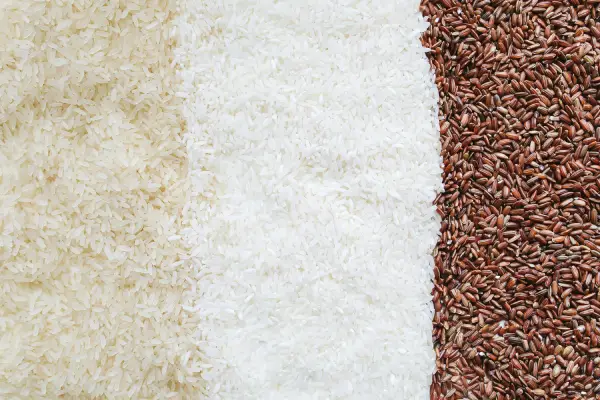
Rice flour, available in both white and brown varieties, is the backbone of East Asian pastry and noodle production. Its behavior depends heavily on the type of rice used.
- High Amylose (Standard Rice Flour): Long-grain rice flours are high in amylose, which creates a firm, dry gel. This results in the “snap” of a cracker or the “bite” of a rice noodle.
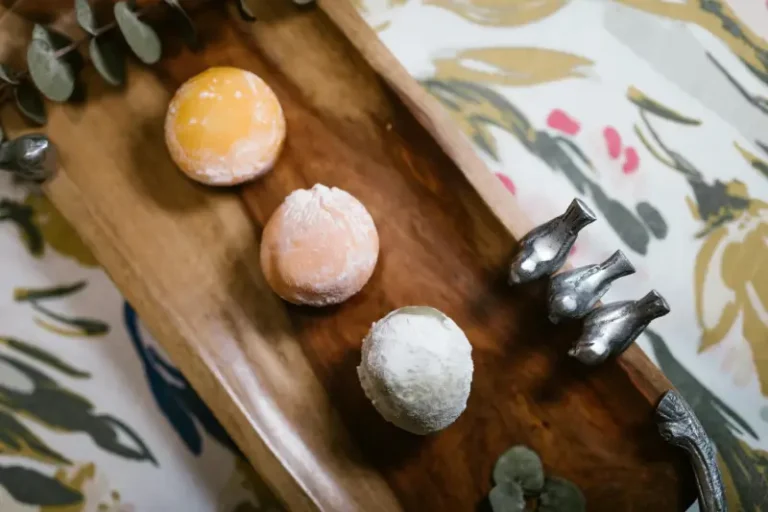
- High Amylopectin (Glutinous/Sweet Rice Flour): Despite the name, it contains no gluten. It is almost 100% amylopectin, creating an ultra-sticky, “mochi-like” texture. For a deep dive into this texture, see Amylose vs Amylopectin: Why Texture Changes.
- Culinary Use: Standard rice flour is excellent for light, crispy tempura batters, while sweet rice flour is used for desserts and as a powerful binder in gluten-free flour blends.
Comparing the Structural Mechanics
When choosing an alternative flour, you are essentially selecting a “starch engine” to drive your recipe’s texture.
Cassava flour is primarily driven by amylopectin, making it the best choice for flexibility and softness. It is extremely thirsty and requires significant hydration to avoid a sandy texture.
Chickpea flour relies on its protein and fiber. It provides structure and browning (thanks to the Maillard reaction) and is the most absorbent of the group, often requiring more liquid than grain-based flours.
Rice flour is the architect of crunch and lightness. Because of its high amylose content, it creates a rigid structure that holds up well in fried applications or thin, crispy bakes.
Technical Challenges: Binding and Grittiness
Without gluten, alternative flours face two main hurdles: cohesion and retrogradation.
- Binding Agents: To mimic the “stretch” of wheat, these flours are often paired with hydrocolloids like Xanthan Gum or Psyllium Husk. These act as a temporary scaffolding, trapping water and providing the elasticity that starches alone lack.
- Managing Staling: Gluten-free starches are highly prone to Retrogradation: Why Bread Goes Stale. Because they lack a protein shield, the starch molecules recrystallize quickly, leading to a gritty or dry texture within hours.
- Pro Tip: Adding a small amount of fat or an acid (like vinegar or lemon juice) can interfere with this crystallization, keeping your gluten-free bakes softer for longer.
Alternative flours are not just “substitutes”; they are unique ingredients with their own scientific rules. By understanding the high-glue nature of cassava, the protein-rich density of chickpea, and the crisp architecture of rice, you can engineer textures that rival—or even exceed—their wheat-based counterparts.
Related article: How Carbohydrates Actually Build the Food We Love