Table of Contents
Pasta may appear simple—just flour and water transformed into countless shapes—but its texture, flavor, and performance are the result of precise biochemical processes. From wheat selection to the final toss in a pan, perfect pasta is a carefully engineered balance of protein structure and starch behavior.
Understanding the science behind the noodle turns a pantry staple into a culinary craft.
Why Durum Wheat Matters
Traditional Italian pasta is made from durum wheat, a “hard” wheat variety prized for its high protein content and strong gluten-forming capacity.
Durum wheat contains two key proteins—glutenin and gliadin—which combine when hydrated to form gluten. Compared to soft bread wheat, durum produces a significantly stronger, more elastic gluten network. This strength is essential because the pasta must:
- Maintain its shape during high-pressure mixing and extrusion.
- Withstand drying without cracking or shattering.
- Preserve structural integrity when boiled in turbulent water.
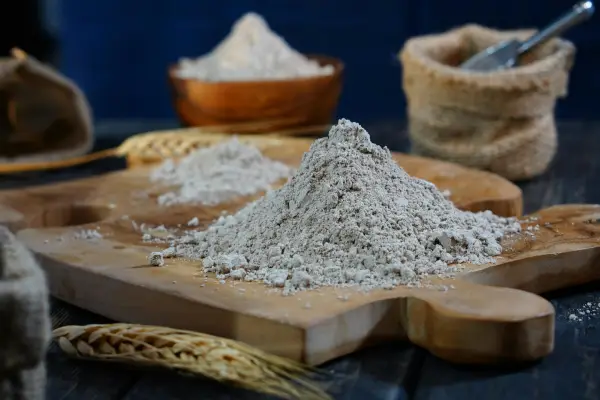
Durum wheat is milled into semolina, a coarse, golden flour. That signature color comes from natural carotenoid pigments, which provide both visual appeal and subtle nutty flavors. Without this protein strength, pasta would soften excessively in water and lose its characteristic bite.
Hydration and Dough Formation
Unlike bread dough, pasta dough is relatively dry, typically around 30–35% hydration. This lower moisture level serves three scientific purposes:
- Limits Extensibility: It produces a dense, firm dough rather than a stretchy one.
- Reduces Stickiness: This allows the dough to pass through intricate metal dies without clogging.
- Controls Starch: It creates a tight internal structure that limits starch release during the early stages of cooking.
As water meets semolina, gluten proteins begin bonding. Mechanical kneading aligns these protein strands, increasing elasticity. In industrial production, extrusion further compacts this network. Bronze dies create a microscopically rough surface, while Teflon dies produce a smooth finish. This surface texture is the primary factor in how well a sauce will adhere to the noodle later.
Drying: Stabilizing the Matrix
Drying is more than just removing water; it is a process of structural stabilization. As pasta dries, the gluten network tightens and solidifies, effectively “locking” the starch granules within a protein cage.
Controlled temperature and humidity are critical. If it dries too fast, the pasta develops internal “checks” or cracks. Traditional slow drying at low temperatures preserves the integrity of the proteins and the natural flavor of the wheat. Properly dried pasta becomes shelf-stable because its low water activity prevents microbial growth.
What Happens When Pasta Boils
Cooking pasta is a timed transformation involving two competing processes: starch gelatinization and protein stabilization.
Starch Gelatinization
Starch granules are made of amylose and amylopectin. When submerged in boiling water:
- Water penetrates the outer layers of the pasta.
- At approximately 60–80°C, the granules begin to swell and absorb water.
- The crystalline structure of the starch breaks down, turning the interior tender.
Related article: Starch Gelatinization Explained
The Role of Gluten
While the starch softens, the gluten provides the “skeleton.” The protein network acts as a barrier, preventing the starch from simply dissolving into the water and turning the pasta into mush. Perfect pasta achieves a balance: enough gelatinization for tenderness, and enough intact gluten for firmness.
Why “Al Dente” is Scientifically Ideal
“Al dente” (to the tooth) is not just a preference; it reflects optimal structural integrity. When pasta is slightly undercooked:
- The outer starch layer is fully gelatinized and soft.
- The inner core retains a partial firmness where the gluten matrix is most dense.
- This creates a textural gradient that is pleasing to the palate.
Overcooked pasta continues to absorb water until the starch granules swell excessively and burst, leaching amylose into the water. This weakens the gluten network and results in a soft, structureless noodle. Scientifically, al dente pasta also has a lower glycemic index, as the less-gelatinized starch is digested more slowly by the body.
Related article: Glycemic Index Explained for Cooks
Salt, Water Volume, and Cooking Dynamics
- Salt: Adding salt does more than season. It flavors the surface layer and slightly affects the way the starch on the surface behaves, though it does not significantly change the boiling point of the water.
- Water Volume: A large pot of water maintains temperature stability. More importantly, it dilutes the surface starch that leaches off the pasta. If the water becomes too “starchy,” the pasta is more likely to clump and stick together.
Sauce Integration: The Final Step
Perfect pasta is never isolated from its sauce. As pasta finishes cooking, its surface is coated in a film of gelatinized starch. When transferred to a pan with a splash of starchy cooking water:
- The starch acts as an emulsifier.
- It binds the fats (oil or butter) and water-based liquids into a stable, glossy sauce.
- The rough surface from bronze dies increases this “grip.”
Troubleshooting Common Mistakes
- Rinsing Pasta: This is a cardinal sin in the kitchen. Rinsing removes the surface starch required to emulsify the sauce.
- Adding Oil to the Water: Oil simply floats on top. If it does coat the pasta, it creates a waterproof barrier that prevents the sauce from sticking.
- Overcrowding: This leads to a drop in temperature and a high concentration of starch in the water, resulting in gummy, stuck-together noodles.
Perfect pasta is the result of deliberate control over protein and starch. Durum wheat provides the framework, low hydration creates the density, and boiling activates the starch while the gluten preserves the bite. What seems like a humble meal is, in reality, a finely tuned architecture of food science.
Related article: How Carbohydrates Actually Build the Food We Love