Table of Contents
Carbohydrates remain one of the most misunderstood—yet fundamentally essential—components of the human diet. Across civilizations and centuries, they have anchored culinary traditions and sustained populations: from the terraced rice paddies of Southeast Asia to the artisan sourdough bakeries of Europe, and from the vast maize fields of the Americas to the resilient millet porridges of Africa.
Far from being mere dietary “carbs,” these molecules serve as the structural frameworks of our meals, energy reservoirs for our bodies, substrates for life-giving fermentation, and versatile texture modifiers in the kitchen. Understanding their scientific behavior is the key to unlocking precision in cooking and fostering a deeper appreciation for the diversity of global cuisines.
Understanding Carbohydrates
From a food science perspective, carbohydrates are organic compounds composed of carbon, hydrogen, and oxygen, typically following the formula Cn(H2O)n. They serve three primary roles: energy storage (starch), structural support (cellulose/fiber), and functional transformation during culinary processes.
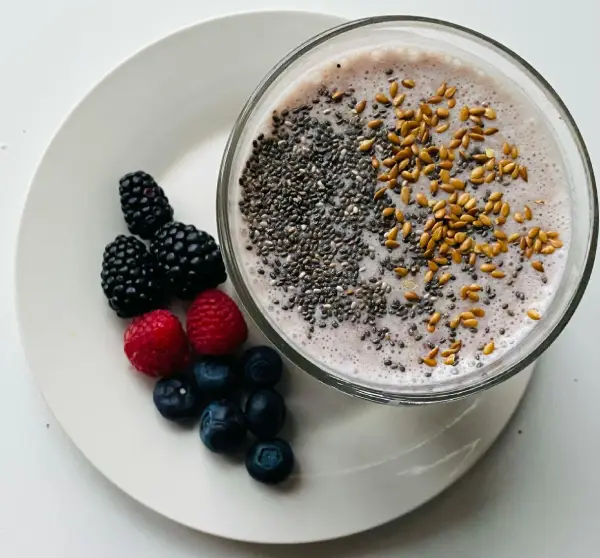
Emerging research continues to expand our understanding of how complex carbohydrates influence digestion, the gut microbiota, and long-term metabolic health—factors that extend well beyond their caloric contribution.
Explore More:
Simple vs. Complex Carbohydrates
The culinary utility of a carbohydrate is largely dictated by its molecular complexity.
- Simple Carbohydrates (Sugars): Molecules like glucose, fructose, sucrose, and lactose are small and water-soluble. They are the primary drivers of sweetness and the complex browning reactions that define many of our favorite foods. Their behavior under heat is a cornerstone of pastry and confectionery arts.
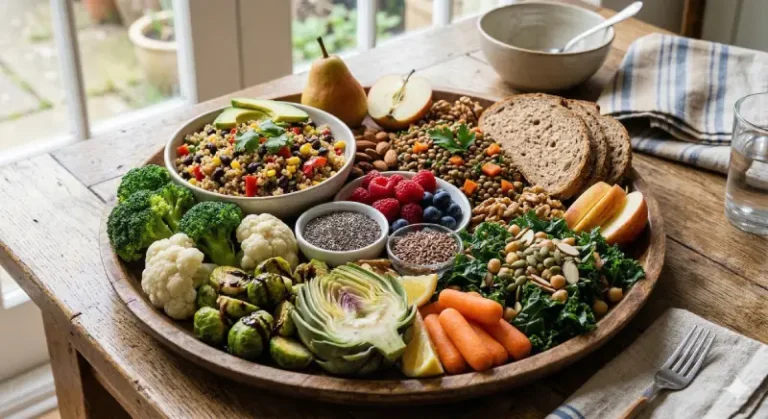
- Complex Carbohydrates: These consist of long molecular chains (polysaccharides), primarily starch and fiber. Their structural differences influence everything from the “chew” of a noodle to how quickly a food raises blood glucose levels. In the modern kitchen, distinguishing between minimally processed whole grains and highly processed refined products is essential for both texture and nutrition.
The Chemistry of Carbohydrates in Cooking
When we apply heat, water, or microorganisms to carbohydrates, we trigger transformations that turn raw ingredients into edible art.
Starch Gelatinization
This is the process that allows a liquid to become a sauce. When starch granules are heated in the presence of water, they absorb moisture and swell. Eventually, the granules rupture, releasing amylose and amylopectin chains that trap water and thicken the mixture. This is the fundamental science behind every roux, slurry, and pudding.
Refer Topics:
Caramelization and the Maillard Reaction
While often used interchangeably, these are distinct chemical pathways. Caramelization is the pyrolysis of sugar (occurring generally above 160°C), resulting in nutty flavors and dark colors. The Maillard reaction, however, is a reaction between amino acids (proteins) and reducing sugars. Precision in sugar cookery requires an intimate knowledge of temperature stages to achieve the desired consistency.
Refer Topics:
- Caramelization vs Maillard Reaction
- Cooking Temperatures and Sugar Stages
- Caramel Sauce Temperature Guide
Retrogradation
As gelatinized starch cools, the molecules begin to realign into a rigid, crystalline structure. This “retrogradation” is why a baguette turns rock-hard or why leftover rice feels gritty. Understanding this allows cooks to better manage food storage and even use staling to their advantage (as in French toast or fried rice).
Refer Topics:
Fermentation
Fermentation is the biological breakdown of carbohydrates by bacteria or yeast. By consuming sugars and starches, these microbes produce CO2, alcohol, and organic acids, which provide the lift in bread and the tang in sourdough.
Refer Topics:
Carbohydrates as Cultural Foundations
Staple carbohydrates are often the heartbeat of a culture’s culinary identity.
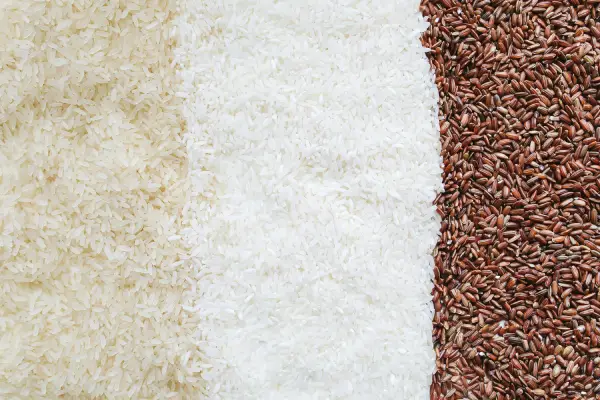
- Rice in Asia: The ratio of amylose to amylopectin determines whether rice is fluffy (Basmati) or sticky (Glutinous).
- Wheat in Europe: The history of Europe is inextricably linked to wheat. The interaction between gluten proteins and starch granules defines the architecture of everything from a crusty loaf to al dente pasta.
- Corn in the Americas: The ancient process of nixtamalization (soaking corn in an alkaline solution) is a stroke of scientific genius that unlocks Vitamin B3 and allows corn dough (masa) to form.
Global Heritage Grains:
Beyond the “big three” (rice, wheat, corn), the world relies on diverse starch sources:
- Teff and Fermented Grains in Ethiopia
- Cassava in Tropical Food Cultures
- Ancient Grains Revival Movement
- Street Foods Built on Carbohydrates
- Carbohydrates in Festival and Ritual Foods
Modern Pantry
A chef’s control over a dish is only as good as their understanding of the ingredients. Choosing the right flour or thickening agent is a decision based on carbohydrate chemistry.
Technical Reference:
- Flours: Flour Types Explained | Alternative Flours (Cassava, Chickpea, Rice)
- Storage: How to Store Flour & Starch Properly
- Thickening & Sweetening: Thickening Agents Compared | Natural Sweeteners Compared | How Sugar Affects Baking Structure
Texture Engineering and Metabolic Insight
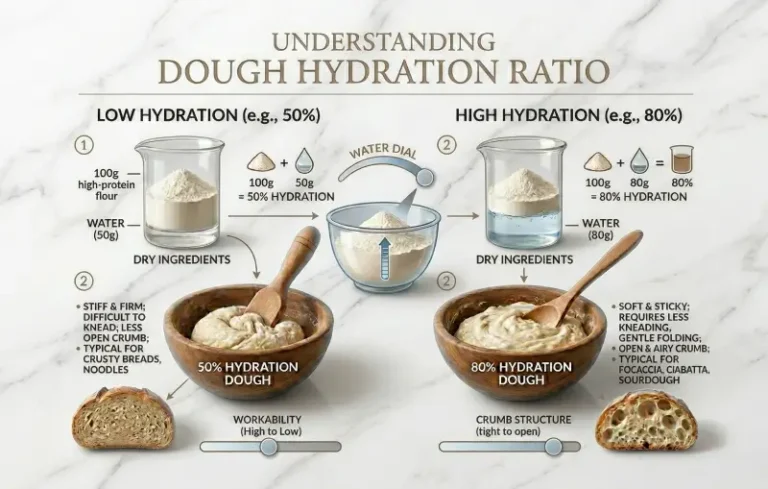
Carbohydrates are the “architects” of food texture. By manipulating hydration ratios and starch types, we can engineer specific mouthfeels—from the shatter of a tempura batter to the elastic pull of a sourdough crumb.
Furthermore, understanding the Glycemic Index (GI) and the development of Resistant Starch (starch that escapes digestion, often formed by cooking and then cooling grains) allows modern cooks to create meals that are as health-conscious as they are delicious.
Refer Topics:
- Texture Engineering with Starch
- Hydration Ratios in Dough
- Glycemic Index Explained for Cooks
- Resistant Starch and Cooling Grains
Conclusion
Carbohydrates are not merely fuel; they are the architecture, the chemistry, and the cultural fabric of human life. Mastery of their properties allows for more intentional cooking and a deeper respect for the traditions that have sustained us for millennia. To understand carbohydrates is to understand the very essence of food.