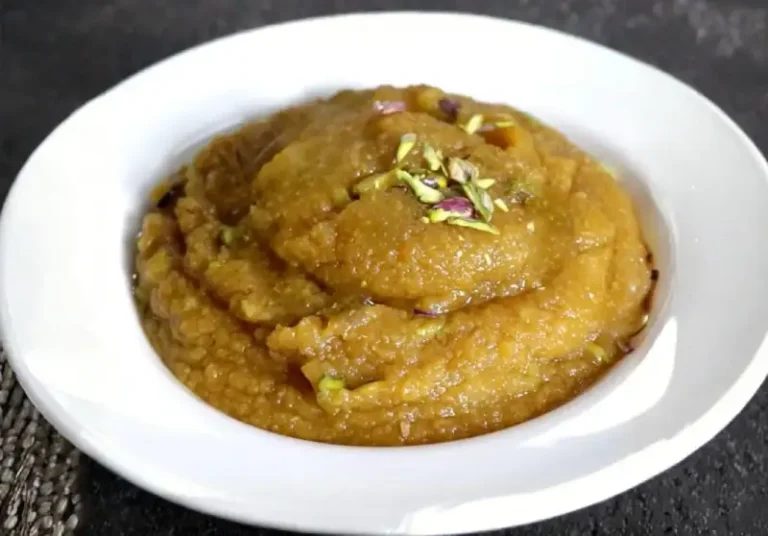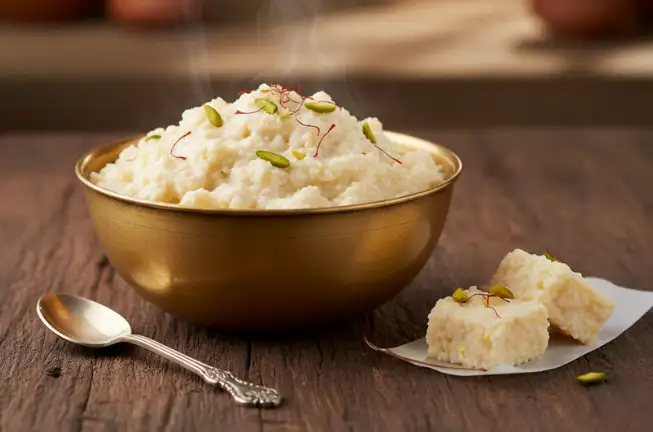
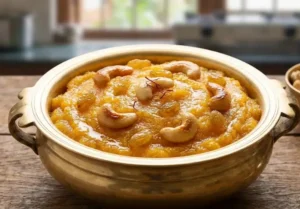
Rava Kesari is more than just a sweet dish; it is a symbol of celebration and hospitality in South Indian households. Often served at weddings, festivals, and pujas, this vibrant semolina pudding is beloved for its glowing orange hue, melt-in-the-mouth texture, and the rich aroma of ghee and cardamom. This recipe offers a foolproof method to achieving a soft, non-sticky Kesari that retains its lusciousness even after cooling.
Ingredients and Measurements
To create the perfect Rava Kesari, precision in the ratio of water to semolina is key. Here are the required measurements:
- Rava (Semolina/Sooji): 1 cup
- Sugar: 1 ½ to 2 cups (depending on desired sweetness)
- Water: 2 ½ to 3 cups
- Ghee (Clarified Butter): ½ cup
- Cashew Nuts: 10-12 pieces
- Raisins: 1 tablespoon
- Cardamom Powder: ½ teaspoon
- Food Color (Orange/Yellow): A pinch (mixed with a little water)
- Oil (Refined): 1-2 tablespoons (optional, for extra softness)
The Culinary Process
1. Sautéing the Aromatics and Rava The journey begins with ghee. In a heavy-bottomed pan, a tablespoon of ghee is heated to roast the cashew nuts until they turn a light golden brown, followed by the raisins until they plump up. Once removed, the semolina is added to the remaining ghee. Roasting the rava on low flame is a crucial step; it should become fragrant and slightly change color without turning dark. This ensures the Kesari doesn’t become a sticky mass.
2. The Boiling Phase While the rava rests, water is brought to a rolling boil in a separate pot. The boiling water is then slowly poured into the roasted rava while stirring continuously. This technique prevents lumps from forming. The mixture is covered and cooked on low heat until the rava absorbs all the water and becomes soft and translucent.
3. Sweetening and Coloring Only after the rava is fully cooked is the sugar added. Adding sugar too early can prevent the semolina from softening properly. As the sugar melts, the mixture will loosen and become liquid again. At this stage, the food color and a pinch of salt (to enhance the sweetness) are incorporated.
4. The Final Ghee Incorporation The remaining ghee is added in stages, allowing the halwa to absorb the richness gradually. A small amount of refined oil can be added here to ensure the Kesari remains soft even when it reaches room temperature. The mixture is stirred until it starts to leave the sides of the pan, signaling it has reached the right consistency.
5. Finishing Touches Finally, the cardamom powder and the roasted nuts and raisins are folded in. The result is a shimmering, aromatic dessert that slides off the spoon—a true testament to traditional South Indian confectionery.
Conclusion
Rava Kesari is a testament to how simple ingredients like grain, sugar, and fat can be transformed into a sophisticated delicacy. By following the sequence of roasting, boiling, and gradual ghee addition, anyone can recreate this festive classic. Whether served warm as a breakfast accompaniment or as a standalone dessert, it remains a timeless favorite that brings a touch of “gold” to the dining table.