Table of Contents
Parippu Vada, a quintessential South Indian snack, is more than just a fritter; it is a celebration of textures and aromatic spices. While traditional recipes often rely solely on chana dal, this humble tea-time snack is made by using a unique blend of four different lentils. This combination creates a complex flavor profile and a superior crunch that remains light and airy on the inside.
Below is a detailed breakdown of the recipe, including the specific ingredient measures and a step-by-step guide to achieving the perfect Vada.
Ingredients and Measurements
The Pulse Base (Soaked for 2–3 hours):
- Chana Dal (Bengal Gram): 100g
- Toor Dal (Pigeon Peas): 100g
- Moong Dal (Green Gram): 100g
- Urad Dal (Black Gram): 100g
Aromatics and Spices:
- Dry Red Chillies: 5–6 pieces (adjust for spice)
- Fennel Seeds (Sauf): 1 tablespoon
- Ginger: 1-inch piece, finely chopped
- Green Chillies: 2–3, finely chopped
- Large Onions: 2, finely diced
- Curry Leaves: A handful, torn
- Coriander Leaves: A handful, finely chopped
- Asafoetida (Hing): ½ teaspoon
- Salt: To taste
- Oil: For deep frying
The Preparation Process
1. Preparation of the Lentils
The secret to a great Parippu Vada lies in the soaking and grinding. All four dals should be washed thoroughly and soaked together for at least two to three hours. Before grinding, ensure the water is completely drained. Chef Damu emphasizes reserving a small handful of the soaked whole dals to add back into the batter later—this provides the characteristic “crunchy bits” on the surface.
2. The Coarse Grind
In a mixer or blender, first pulse the dry red chillies and fennel seeds. Then, add the drained lentils. The goal is to achieve a coarse, grainy texture rather than a smooth paste. Do not add water during this process; the moisture from the soaked lentils is sufficient to bind the mix.
3. Building the Flavor Profile
Transfer the coarse mixture to a mixing bowl. Incorporate the finely chopped onions, ginger, green chillies, curry leaves, and coriander. Add the salt, asafoetida, and the reserved whole lentils. Mix everything by hand, ensuring the onions release a bit of moisture to help bind the ingredients together.
4. Shaping and Frying
Heat oil in a deep kadai or frying pan on medium heat. To shape the Vadas, take a small lemon-sized ball of the mixture, flatten it slightly between your palms to form a disc.
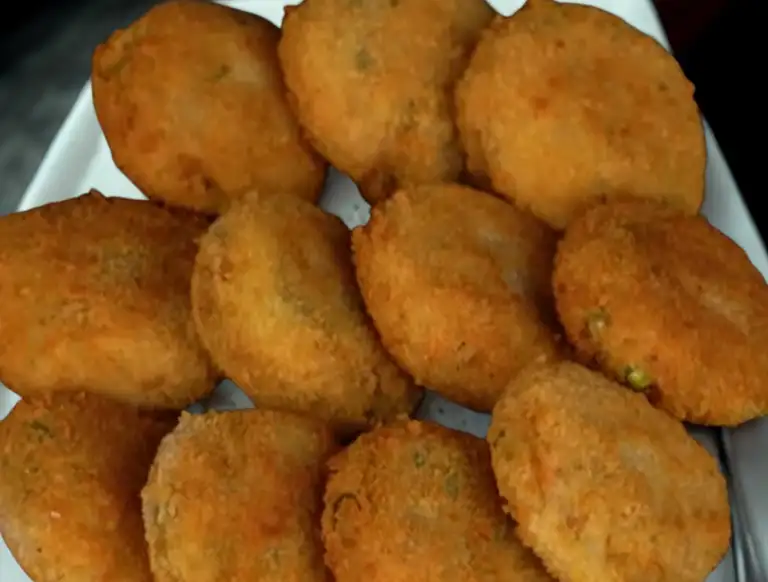
Carefully slide the discs into the hot oil. It is crucial to fry them on medium heat. If the oil is too hot, the outside will burn while the inside remains raw; if too cold, the Vadas will absorb excessive oil. Fry until they reach a deep golden-brown color and the bubbling of the oil subsides, indicating they are cooked through and crispy.
Conclusion
The “4 Dal Variety Vada” is a masterstroke in traditional cooking. The inclusion of Moong and Urad dal adds a subtle softness and binding that balances the gritty crunch of the Chana and Toor dal. Served hot with a side of coconut chutney or a simple cup of ginger tea, these Vadas offer a sensory experience that is hard to beat.